A common misconception is that cashback means picking one app and hoping for the best. That’s the gap. Instead, greater savings usually come from using different apps for different kinds of spending, then combining them carefully so one purchase works harder.
That’s why this guide to the best cashback apps uk isn’t just a ranked list. It’s a practical way to think about earning money back on online shopping, groceries, bills, and family spending. Some apps are best for big online purchases. Some are better for supermarket runs. Others are almost passive once you’ve linked your card.
Cashback won’t fix bad spending habits. It works best when you use it on purchases you were already going to make. If you need help getting that part under control first, start with this simple guide on how to create a household budget.
A good beginner setup is simple. Use one portal for online shopping, one app for grocery gift cards, and one card-linked app for background rewards. That way you don’t need to check ten apps every time you buy something.
You’ll also see where Klink Finance fits. Klink Finance is a global rewards platform where people earn by completing simple tasks, trying apps, answering surveys, and doing partner offers. It isn’t a cashback app in the usual shopping sense, but it can sit alongside cashback tools as another way to earn from things you already do online.
1. TopCashback
What should you check before almost any online purchase in the UK? For many people, the answer is TopCashback.
TopCashback works like your main cashback doorway. You search for the shop, click through, buy as normal, and then wait for the cashback to track. That simple flow makes it a good first app if you want one place to start.
You can browse the platform at TopCashback.
Why TopCashback works for beginners
The big advantage is coverage. TopCashback appears across lots of spending categories, so it can be useful for everyday online shopping, larger one-off purchases, and household switch deals. If your spending changes month to month, that range matters.
It also keeps the reward side fairly flexible. You can usually withdraw to bank, PayPal, or gift cards. Some people want cash back into their account. Others are happy taking a voucher if the rate is better.
A simple way to use it is this:
Use TopCashback as your first online check: Look there before you buy from a retailer’s website.
Use it for higher-value purchases: Travel, insurance, broadband, and furniture can produce bigger cashback amounts than small orders.
Use it as your base layer: Then add another reward method only if the store terms allow it.
That last point is where many beginners get confused.
How to stack TopCashback
TopCashback is usually strongest as the first layer in an online stack. Start with the click-through. Then see whether you can add a rewards card or a discounted gift card without breaking the cashback terms. It is a bit like building a sandwich. The portal is the base. The payment method is the extra layer. If you add the wrong ingredient, the whole thing can fail to track.
Here is a practical example. Say you are buying something online from a retailer listed on TopCashback. First, click through TopCashback. Then check whether paying with a reward card is fine under the retailer rules. In some cases, you may also be able to use a gift card bought at a discount elsewhere. In other cases, that can stop cashback tracking. Always read the terms before you pay.
TopCashback fits the "online shopping" part of a wider earning setup. You might use it as your main portal, JamDoughnut for some gift card purchases, and a card-linked app like Cheddar or Airtime Rewards for more passive spending. If you also want non-shopping options, these UK side hustle apps for 2026 show other ways to earn alongside cashback.
The main drawback is timing. Cashback can take a while to move from tracked to payable, and sometimes claims need chasing if a purchase does not register properly.
Still, if you want one app to anchor your online cashback strategy, TopCashback is a sensible place to begin.
2. Quidco
What should you do if TopCashback is not offering the best rate today?
That is where Quidco earns its place. It gives you a second major cashback route for online shopping, and it can also cover some in-store spending through card-linked offers. If you want to build a proper cashback system, not just download random apps, Quidco works best as your comparison tool and bonus app.
You can sign up through Quidco.
When Quidco makes more sense
Quidco suits people who want a clearer app experience. The layout is easy to follow. You can check what has tracked, what is still pending, and what is ready to withdraw without much digging.
It also appeals to people who do not mind doing one extra check before buying. Cashback rates move around. A retailer that pays more on TopCashback this week might pay more on Quidco next week. The habit is simple. Before a larger online order, open both apps, compare the rate, then choose one and complete the purchase in that same session.
Quidco can also be useful if your spending is not only online. Some offers connect to your bank card, which means it can fit into the "everyday spending" part of your setup as well.
Here is the simplest way to decide:
Use Quidco for rate checking: It helps when cashback percentages change between platforms.
Use Quidco for bonus hunting: Extra promos can make a decent deal better.
Use Quidco for mixed spending: It can cover both click-through shopping and some in-store offers.
How to stack Quidco
Quidco works like a backup battery for your cashback plan. You may not use it for every purchase, but when your main option is weaker, it keeps the system working.
A practical example helps. Say you are booking broadband, insurance, or a larger retail order. Check Quidco first, then compare it with TopCashback. If Quidco wins, click through Quidco and stop there. Do not click through both portals, because that can break tracking. After that, you can still see whether your payment card gives rewards too, as long as the retailer terms do not rule that out.
This matters most for bigger one-off purchases, where a small rate difference can mean a noticeably better return.
Quidco also fits a wider earning plan. Cashback covers spending you were going to do anyway. Other apps cover surveys, selling, referrals, or rewards. If you want more than shopping-based earnings, this guide on ways to earn money online in the UK shows where cashback fits alongside other methods. Platforms such as Klink Finance can also sit beside cashback apps if you want a broader rewards strategy rather than relying on one type of app.
The main drawback is patience. Tracking can take time, and some payouts move slowly depending on the retailer. There is also a premium option, which only makes sense if you will use Quidco often enough to cover the fee.
Quidco is a good second pillar. TopCashback may be your default. Quidco is the one you check before you press buy.
3. JamDoughnut
Want cashback that feels more immediate?
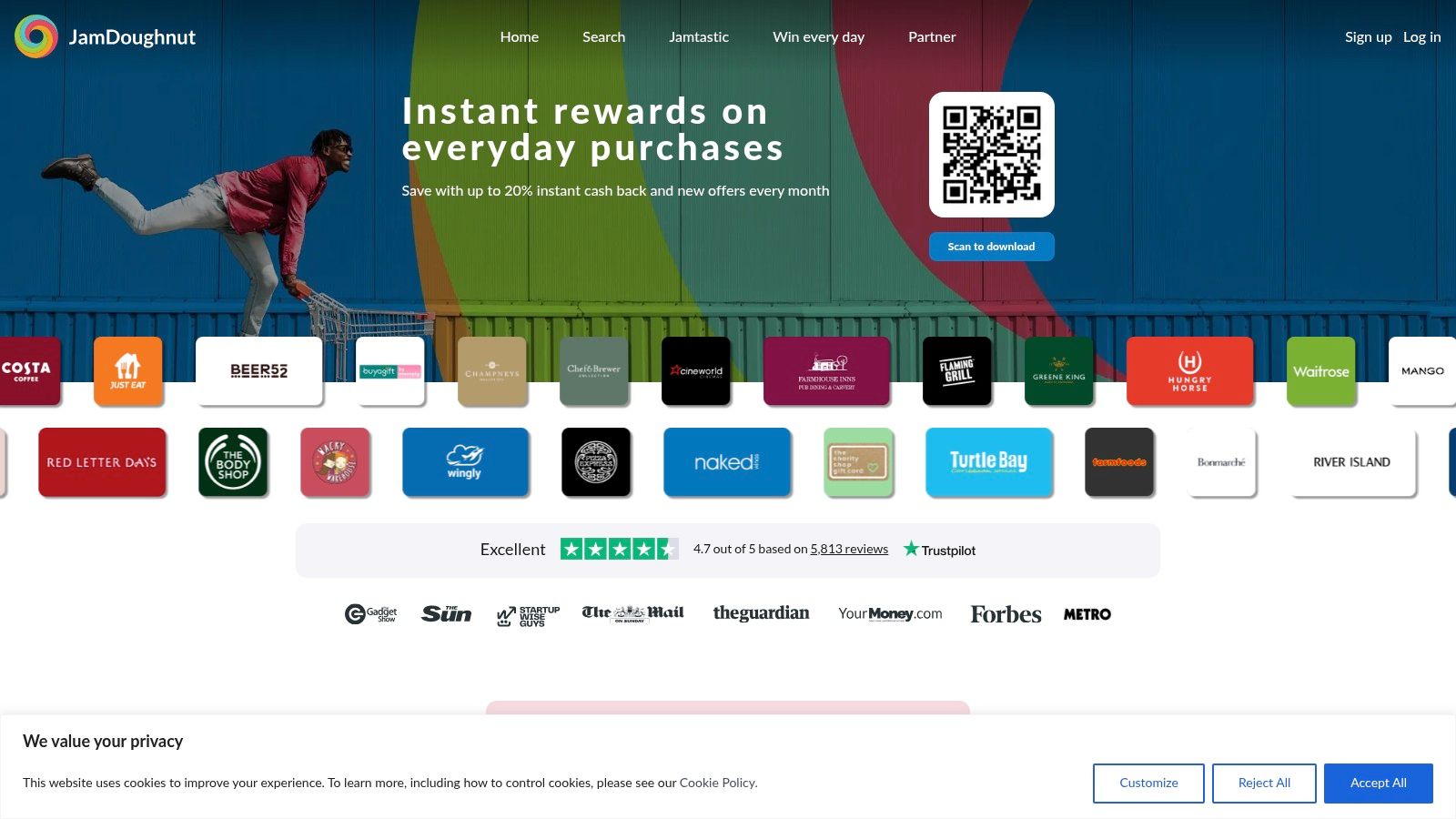
JamDoughnut is useful because it pays through gift cards. You buy a digital gift card in the app before you pay at the shop. Your reward is added in the app at that point, so the process feels more predictable than waiting for a click-through purchase to track.
Take a look at JamDoughnut.
Why JamDoughnut works well for regular spending
JamDoughnut suits planned shops. Groceries are the clearest example. If you know where you are buying food, fuel, or a meal, you can get the gift card first, then pay with it a few minutes later.
That simple extra step is the whole model.
It helps to treat JamDoughnut as your "paying" layer, not your full cashback system. Portals such as TopCashback or Quidco are often better for online orders that need a tracked click. JamDoughnut is often better for repeat spending where you want a quick, low-effort return and do not want to rely on tracking.
A simple setup looks like this:
Use JamDoughnut for groceries: Buy the gift card just before checkout.
Use it for fuel or chain restaurants: It works best when the brand and spend are predictable.
Use it when speed matters: You can see the reward in the app without waiting through a long approval period.
How to stack JamDoughnut
Its ability to fit into a stack makes the app more useful than a basic "best cashback app" list suggests. JamDoughnut fits into a stack.
For a supermarket shop, the first layer can be JamDoughnut. You buy the supermarket gift card in the app. Then you pay for your shopping with that card. After that, you can add receipt-based offers from apps such as Shopmium, CheckoutSmart, or GreenJinn for specific items, if the terms allow it.
That means one shop can earn in two different ways. One reward comes from how you pay. The other comes from what you buy.
The same logic helps with a wider rewards plan. Use portals for online retail. Use gift card apps for everyday spend. Use bill or card-linked apps for household payments. If you want a broader mix beyond cashback alone, these reward apps for iPhone users show how shopping rewards can sit beside other earning methods, including platforms like Klink Finance.
There are limits. Gift cards take a bit of planning. Refunds can be more awkward than paying on your debit card. You also need to check that the store accepts the digital card format you bought.
Used well, JamDoughnut is one of the easiest apps to assign a clear job. Keep it for groceries and other repeat purchases. That keeps your cashback system simple, and it helps you build a habit that pays back a little on spending you were already going to do.
4. Cheddar
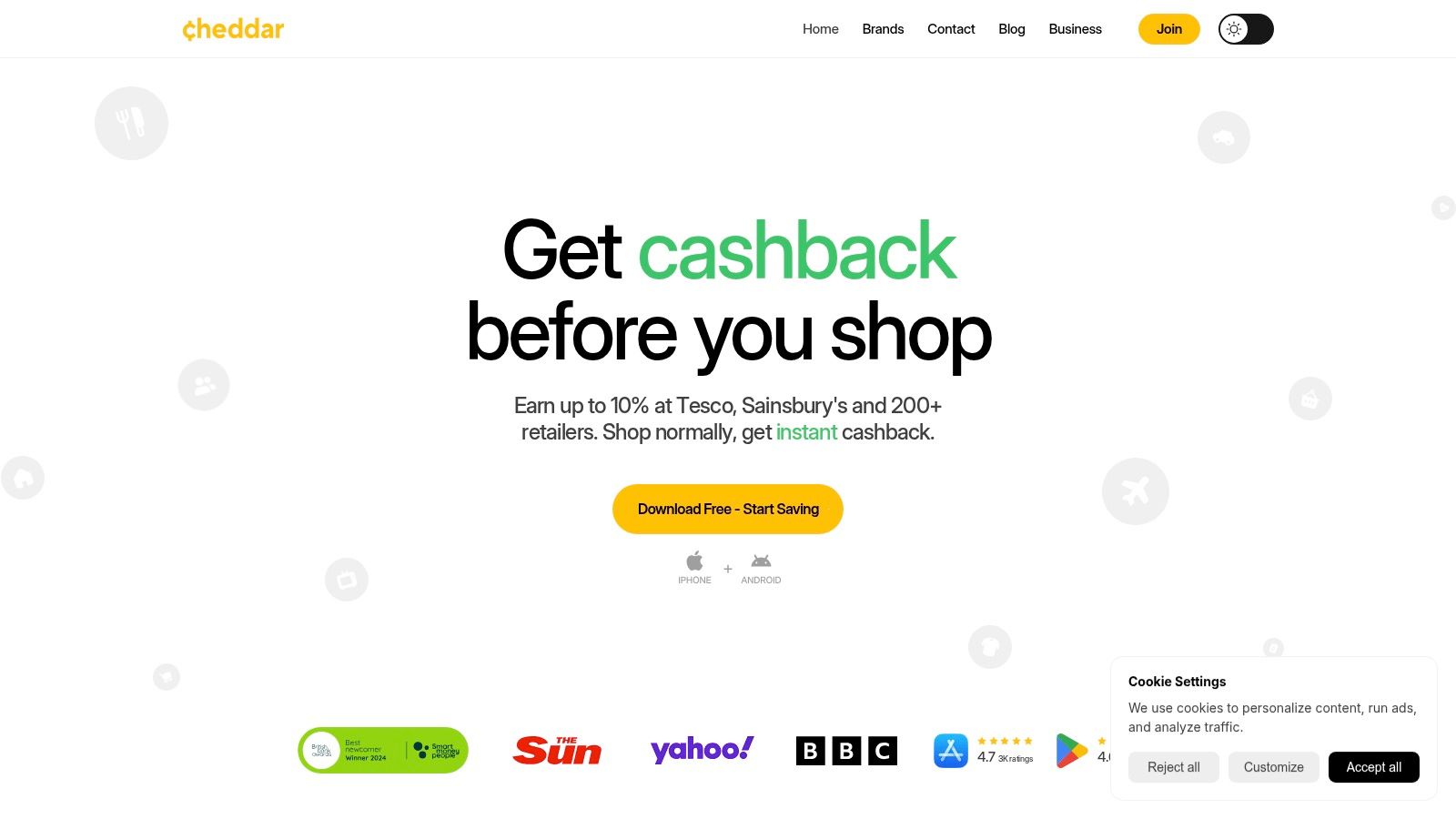
Cheddar is another app that fits the instant gift card model, but it feels a bit more focused on a clean everyday-spend experience. If you like simple app design and you want quick cashback on routine purchases, it’s an easy one to test.
You can browse offers at Cheddar.
Where Cheddar fits best
Cheddar is useful when you want fast rewards but don’t want to rely only on traditional cashback portals. It focuses on digital gift cards for everyday brands, including supermarkets, travel, and food delivery.
The app also shows balances and spending information, which can help if you like seeing where your money is going. For some people, that makes it easier to stick with cashback long term because the app feels practical, not just promotional.
A simple way to use it is to assign it to a category:
Use Cheddar for takeaways and travel: Those are common gift card use cases.
Use JamDoughnut or Cheddar, not both for the same purchase: Compare first and choose the better option.
Use portals separately for online orders: Gift card apps and click-through portals solve different problems.
How to stack Cheddar without overcomplicating it
Don’t try to use every cashback app on every purchase. That’s where beginners burn out. With Cheddar, the smart move is to reserve it for the brands you buy from often and where the gift card step feels easy.
Beginner shortcut: Assign one app to each spending type. Portal for online shopping. Gift card app for groceries. Card-linked app for passive earning.
If you also like trying reward-based apps more broadly, this roundup of reward apps for iPhone gives you extra options outside standard shopping cashback.
The main limitation is the model itself. Gift cards work well when you know what you’re buying. They’re less convenient for uncertain spending, returns, or impulse purchases.
5. Airtime Rewards
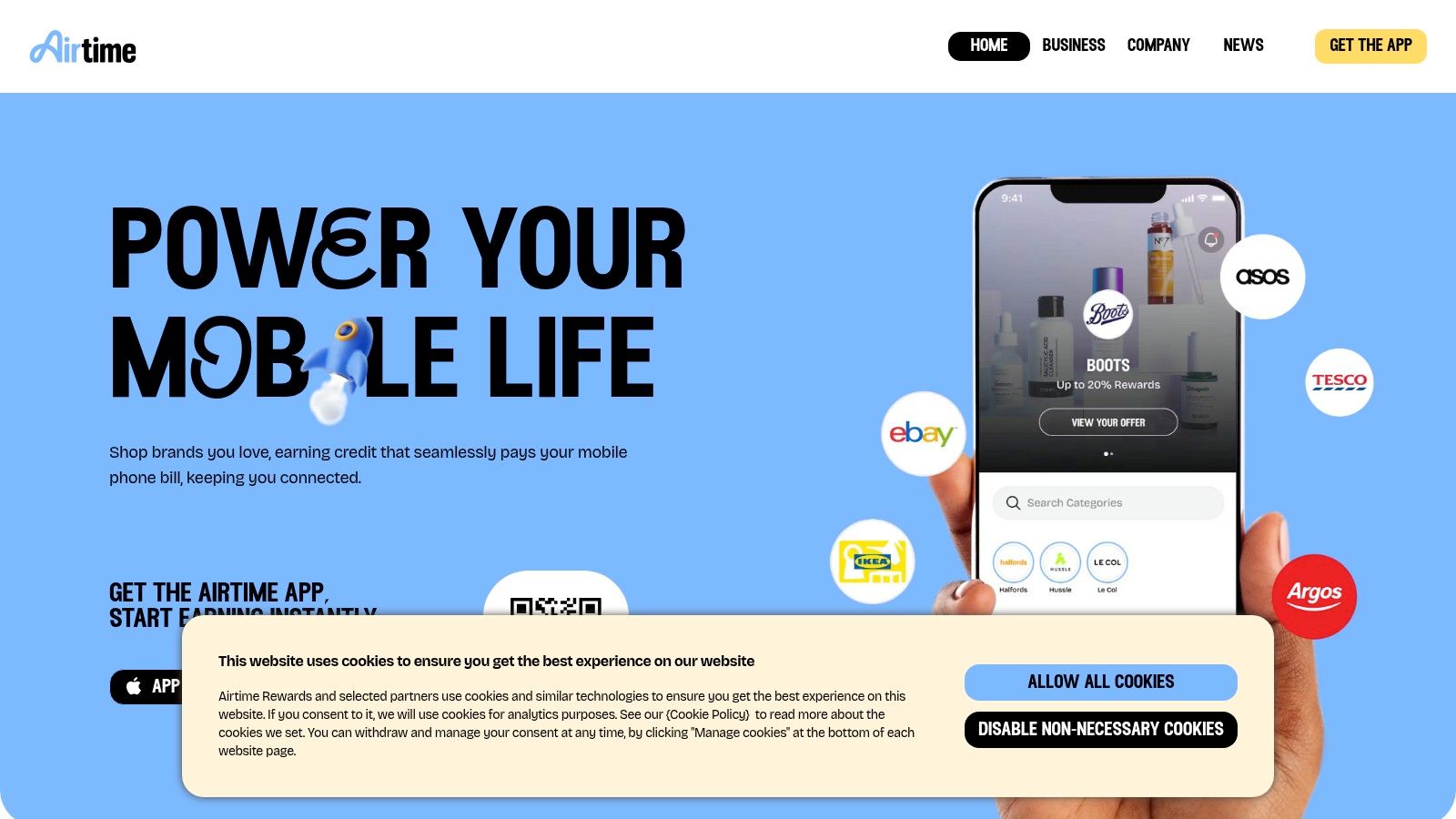
Want cashback that works in the background while you focus on the bigger wins elsewhere? Airtime Rewards is one of the easiest apps to add to a stack because you set it up once, link your payment card, and let it track eligible spending automatically.
You can explore it at Airtime Rewards.
Why Airtime Rewards is useful in a stack
Airtime Rewards pays out as mobile bill credit. That is narrower than cash paid to your bank or PayPal, but it still reduces a real monthly cost. For many households, that makes it easier to notice the benefit because the reward has a clear job.
Its role in your setup is simple. Use it as the quiet second layer.
If TopCashback or Quidco are your main tools for online orders, Airtime Rewards can sometimes sit underneath card spending with participating brands. The exact result depends on how you pay, where you shop, and the retailer terms. The key idea is not to force it into every purchase. Keep it running for the brands and categories where card-linked tracking fits naturally.
Best for low-effort earning: Link your card once, then check in occasionally.
Best for cutting a regular bill: Rewards go toward your mobile cost.
Best as a support app: It works well alongside portals, grocery apps, and gift card discounts.
Where Airtime Rewards fits best
Airtime Rewards usually makes the most sense for spending that is hard to plan around with gift cards or product-level offers. Clothes, eating out, and casual high-street shopping are common examples. You pay as normal. If the retailer is supported and your card is linked, the reward can track in the background.
That makes it useful for a balanced cashback system. Online shopping often suits a cashback portal first. Groceries often suit gift cards or receipt apps. Airtime Rewards fills the gaps between those methods.
You can also pair this kind of passive cashback with broader rewards apps outside shopping. For example, Klink Finance fits a different part of the earning puzzle by focusing on rewards tasks and engagement, rather than retailer cashback alone. That helps if you want your setup to earn in more than one way.
The trade-off is flexibility. Airtime Rewards is less useful if you want every reward paid out as cash, or if your mobile provider is not supported. But if your goal is to save money from everyday card spending without adding extra steps at checkout, it earns its place.
6. Shopmium
Shopmium is less about retailer-wide cashback and more about specific products. That makes it one of the best grocery tools for people who don’t mind checking offers before they shop.
You can download it from Shopmium UK.
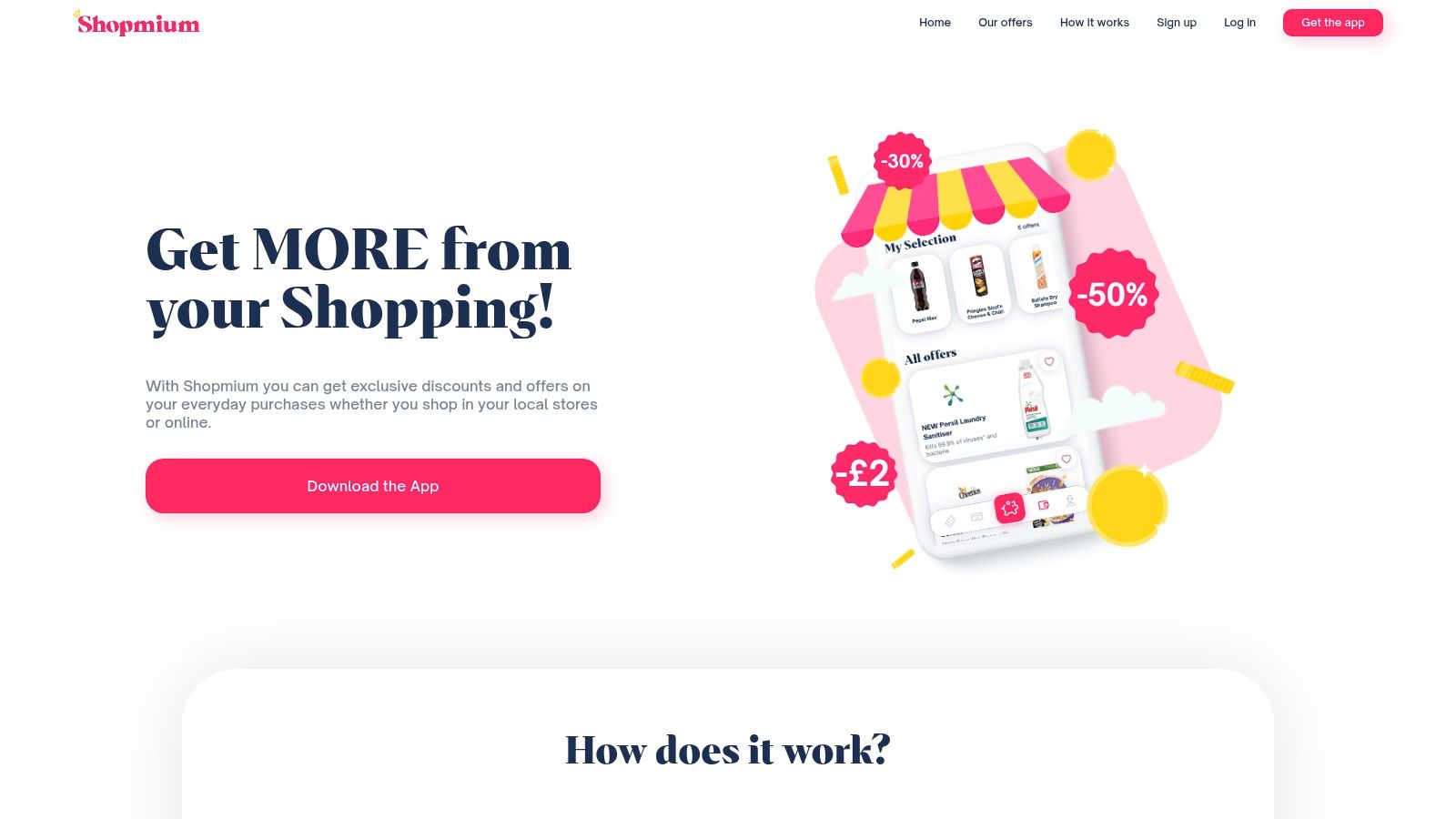
How Shopmium works in plain English
You browse offers for eligible products, buy those products at a supported supermarket, then upload the receipt or scan what’s needed in the app. Once the claim is validated, the cashback is paid out to your chosen method.
This makes Shopmium very different from TopCashback or Quidco. You’re not getting cashback on the whole basket. You’re claiming money back on selected items within that basket.
That sounds narrower, but it can be very effective for household basics, snacks, drinks, toiletries, and trial products.
Best for product-level savings: You target items, not full shops.
Best for trying new brands: Some offers reduce the risk of testing unfamiliar products.
Best when paired with grocery gift cards: You can save on the payment method and the products.
Common mistakes with Shopmium
Most failed claims come from simple errors. People buy the wrong pack size, forget to activate the offer, or upload unclear receipts. If you use the app carefully, it’s straightforward.
Buy only the exact product shown in the offer. Brand, size, flavour, and store rules all matter.
Shopmium is strongest when used with discipline. It isn’t an app for random browsing after the shop. Check the offer before you buy, and keep your receipt safe until the claim is approved.
If you like grocery cashback and don’t mind a little admin, Shopmium can become one of your most reliable weekly tools.
7. CheckoutSmart
CheckoutSmart is another receipt-based grocery cashback app, but it has a slightly different feel from Shopmium. Many users keep both because the product offers don’t always overlap, which means one supermarket trip can still produce several valid claims across different apps.
You can use it on CheckoutSmart.
Why CheckoutSmart is worth keeping installed
The strength of CheckoutSmart is variety. It often features branded product campaigns, and it works across app and web, which helps if you don’t always want to manage everything on your phone.
It’s best treated as a “check before you shop” app. Open it while planning your food shop, see whether any products you already buy are included, and build your list around those where it makes sense.
That approach keeps cashback practical instead of pushing you into buying things you don’t need.
Best for supermarket receipts: It fits naturally into weekly food shopping.
Best as a companion app: It pairs well with Shopmium and gift card cashback.
Best for patient users: You need to follow claim rules closely.
How to use CheckoutSmart sensibly
Start small. Don’t try to claim ten offers on your first shop. Pick one or two products, submit the receipt properly, and get comfortable with the process.
The app is most useful when you combine it with existing habits. For example, you might pay with a cashback gift card, then claim back on selected receipt items. That’s the kind of stack that makes grocery cashback feel worthwhile.
The caution here is withdrawal rules and general claim discipline. If you’re careless with receipts or product details, the app can feel frustrating. If you’re methodical, it can become a helpful part of your weekly savings system.
8. GreenJinn
GreenJinn is another strong grocery cashback app, but it appeals most to people who want small, regular wins rather than waiting ages to build a large balance.
You can see current offers at GreenJinn.
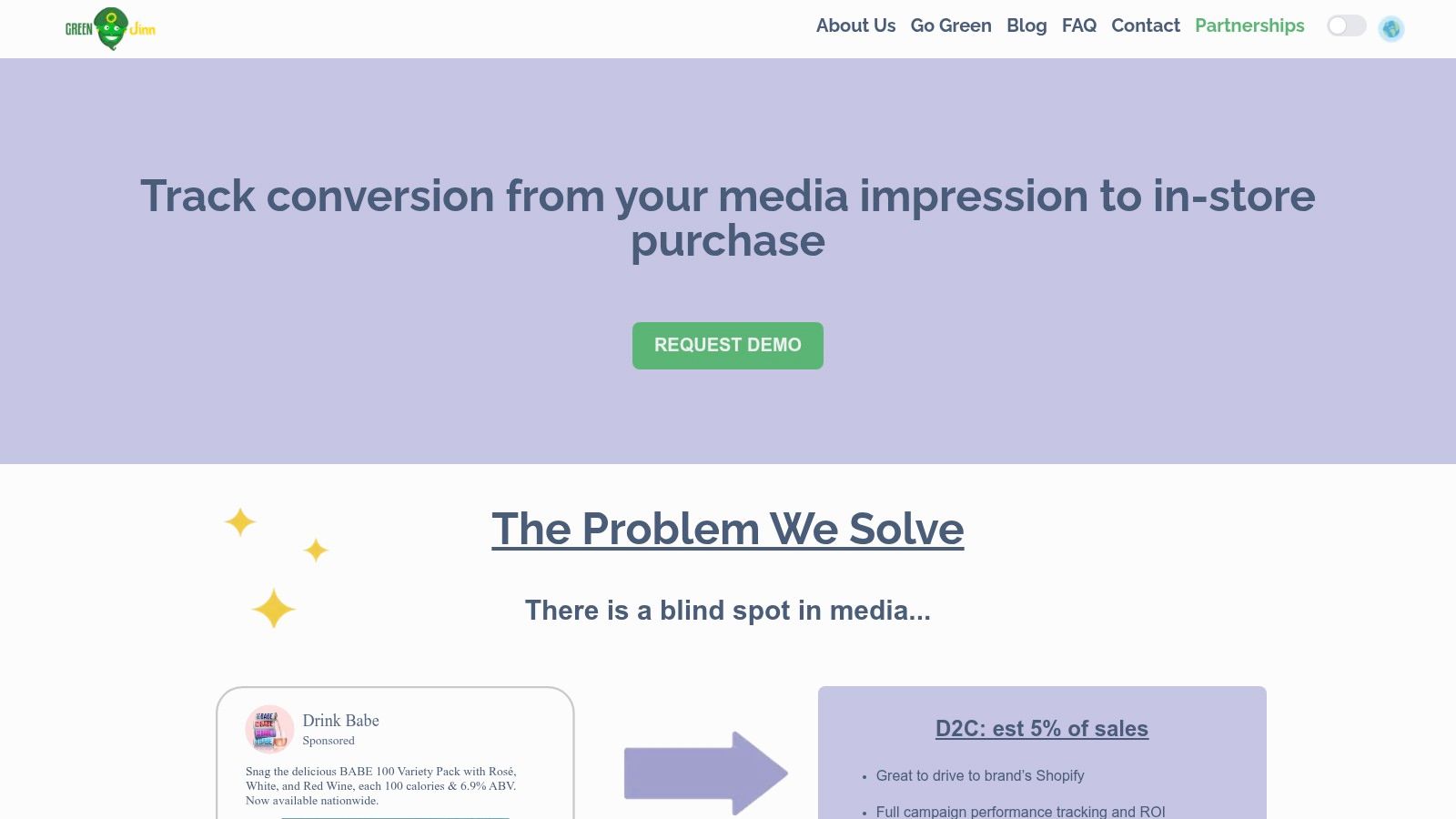
What makes GreenJinn different
The app focuses on supermarket and household offers and is often used as a stackable companion to other grocery savings methods. That’s its real role. It’s not usually the only app in your shopping routine.
People often like GreenJinn because it feels manageable. Deals refresh regularly, and it’s easy to check whether your usual shop includes anything worth claiming.
This is a good app for smaller households or careful planners who shop little and often.
Best for frequent small claims: You don’t need a huge weekly shop to use it.
Best for household staples: Offers often line up with normal supermarket spending.
Best in a grocery stack: It works well beside receipt and gift card apps.
Best way to stack GreenJinn
GreenJinn works best when you treat it as the final layer. First, choose the cheapest store. Then use a gift card cashback app if available. After that, claim any eligible GreenJinn offers from the receipt.
That sequence keeps things simple. Price first, payment method second, item-level cashback third.
The weakness is that offers rotate, so you can’t expect the same products every week. But that’s normal for grocery cashback. If you want an app for fast-moving supermarket deals and easy add-on savings, GreenJinn is worth keeping in your rotation.
9. Budgey formerly Widilo
Budgey is a cashback and promo-code tool that tries to prevent a common problem. You reach checkout, place the order, and only then remember you could have earned cashback.
That’s where a browser extension helps. You can find it at Budgey.
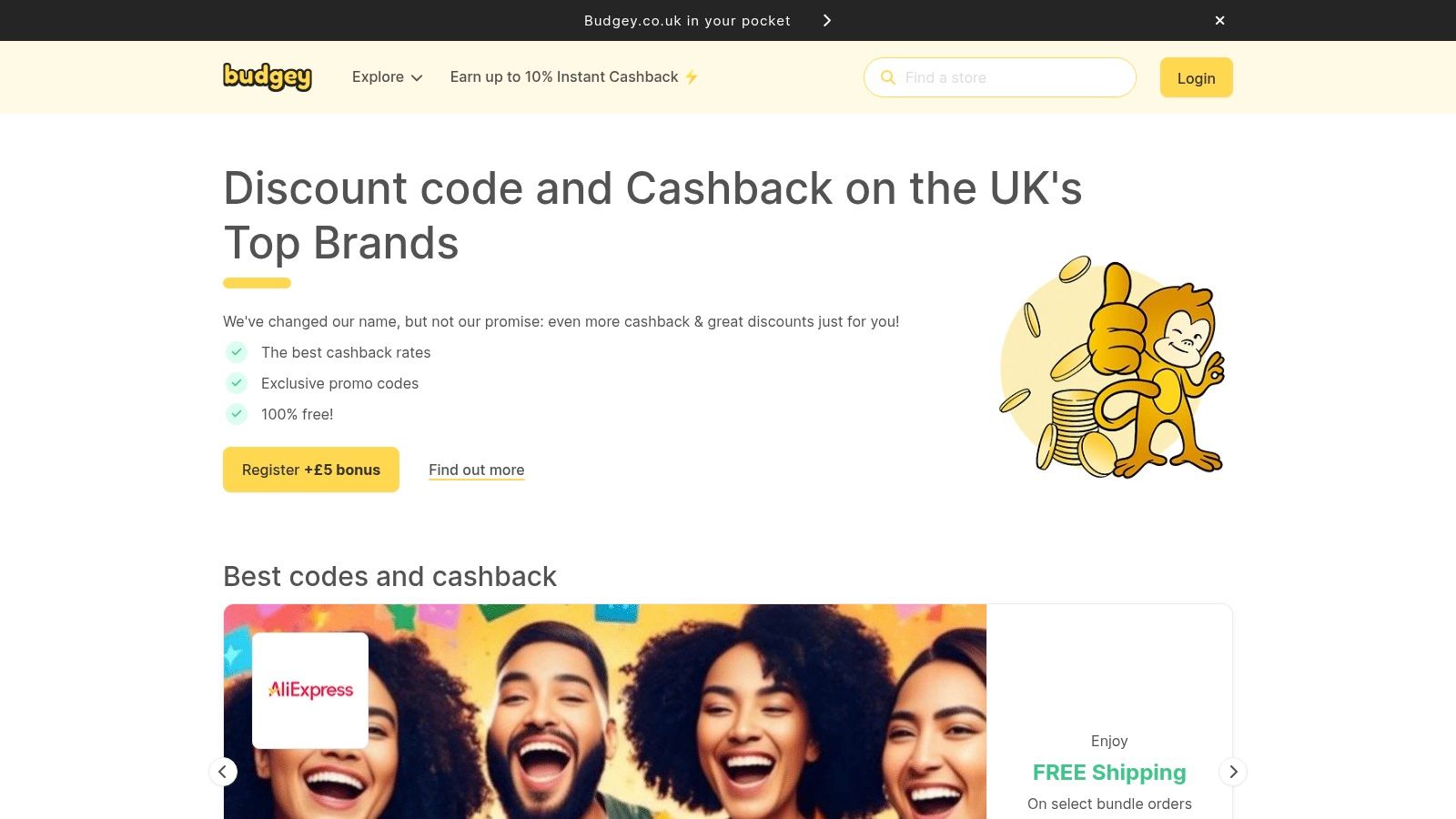
Why Budgey can still be useful
TopCashback and Quidco are bigger names, but smaller tools can still earn a place when they reduce friction. Budgey’s extension and app make it easier to activate offers while you browse, which is useful if you tend to forget cashback portals.
It also surfaces promo codes alongside cashback offers. That combination is helpful because many shoppers switch tabs between coupon sites and cashback sites and then lose track of what still qualifies.
Budgey is a practical comparison app. You don’t need to make it your default. You just need it available when a better rate appears.
Best for browser shoppers: The extension removes some of the effort.
Best for checking alternatives: It gives you another rate to compare.
Best for people who forget cashback: Activation prompts help.
When to use Budgey
Use it before placing online orders at stores where cashback rates often vary between platforms. That includes fashion, home, and general online retail.
Its main drawback is that it’s not as dominant as the biggest cashback portals, so coverage and user familiarity may feel lighter. But as part of a comparison routine, it can still save you from missing a worthwhile offer.
If your main problem is forgetting to activate cashback, Budgey can solve that better than a portal you rarely remember to open.
10. KidStart
KidStart is a niche pick, but it serves a very different goal from the other apps on this list. Instead of paying cashback into your own everyday spending pot, it helps direct rewards toward a child’s savings, school, or a chosen cause.
You can learn more at KidStart.
Why KidStart is different
This isn’t the app for someone who wants instant personal cash-out. It’s for families who like the idea of turning routine shopping into something longer term.
That makes it useful for parents, relatives, and even family friends who want their spending to contribute toward a child’s future rather than disappear into the usual household account. It adds a bit of purpose to cashback.
Some people stay more consistent with cashback when it has a clear destination. KidStart gives the rewards that kind of structure.
Best for families: It turns everyday shopping into child-focused saving.
Best for shared contributions: More than one person can support the same goal.
Best for long-term thinking: It suits people who don’t need instant access.
Who should use KidStart
KidStart works best for households that already have a stable cashback setup for personal savings and want a separate tool for family goals. It’s not a replacement for a broad cashback portal. It’s a specialist option.
That’s also its limitation. If you want flexible cash in your own account, another app on this list will fit better. But if you want cashback with a family purpose attached, KidStart does something the others don’t.
Top 10 UK Cashback Apps Comparison
App | Core features | User experience & payouts | Value proposition | Target audience | Pricing / Fees & limits |
|---|---|---|---|---|---|
TopCashback | 6,000+ retailers, app + browser extension, comparison journeys | Competitive rates, clear support; tracking can fail | Wide retailer coverage; boosted rates via Plus | Comparison shoppers & big-ticket buyers | Free basic; Plus costs ~£5/yr (deducted from earnings); multiple payout methods |
Quidco | Online + card‑linked in‑store cashback, mobile app, Premium tier | Regular opt‑in bonuses; straightforward cash‑outs; timing varies by retailer | Combines online offers with passive in‑store rewards | Shoppers wanting both online and card‑linked rewards | Free basic; optional Premium (retains £1 in months you earn); standard payout rules |
JamDoughnut | Instant cashback via in‑app gift‑card purchases; wallet | Instant rewards; fast UX; small bank cash‑out fee | Avoids affiliate waiting times with instant credit | Grocery/everyday shoppers who pre‑buy gift cards | Free to use; small fee for bank withdrawals (encourages batching) |
Cheddar | Instant gift‑card cashback for 200+ brands; spending insights | Fast rewards; clean iOS app; requires pre‑commitment | Instant returns on daily spend + insights | Users who want instant rewards and app analytics | Gift‑card model (pre‑buy); Open Banking supported; limited direct bank cash‑outs |
Airtime Rewards | Card‑linked automatic cashback; redeem to mobile bill | Set‑and‑forget earning; stacks with other apps; merchant list may change | Passive cashback applied directly to phone bills | Mobile users wanting simple, automatic rewards | Free; rewards apply to phone bill (not direct bank payouts) |
Shopmium | Receipt/barcode cashback for specific grocery products | Quick approvals often; strict eligibility & receipt rules | Product‑level deals and occasional freebies | Grocery shoppers hunting product offers/freebies | Withdraw to bank/PayPal after validation; minimum withdrawal applies |
CheckoutSmart | Receipt upload cashback for FMCG; app & web | Straightforward receipt flow; mixed reviews; occasional fees | Complements other grocery cashback apps | FMCG shoppers who upload receipts | Payouts via bank/PayPal; withdrawals under £20 may incur ~5% fee |
GreenJinn | Weekly supermarket offers; very low withdrawal threshold | Fast small payouts; occasional receipt validation friction | Low min withdraw (~£1.50) for quick cashouts; stackable deals | Frequent small spenders and stackers | Very low minimum withdrawal; generally free to use |
Budgey | Browser toolbar/extension + mobile app; promo codes | Easy activation to avoid missed cashback; smaller user base | Extra coverage to compare rates; activation helper | Users who use extensions to maximise cashback | Free; higher withdrawal minimum historically ~£20 |
KidStart | Cashback paid into child savings/ISA, school or charity | Purpose‑built flows for families; fewer aggressive promos | Automates building children’s savings from shopping | Families and gift contributors | Free; rewards must be earmarked for a child/beneficiary (not personal payouts) |
Final Thoughts
The best cashback apps uk aren’t all trying to do the same job. That’s the biggest takeaway. If you expect one app to cover every kind of spending, you’ll either miss rewards or make the process feel harder than it needs to be.
A better approach is to build a simple system around the way you already spend.
For online shopping, use a major portal such as TopCashback or Quidco. Check both when the purchase is large enough to matter. For groceries and daily spending, use a gift card app like JamDoughnut or Cheddar when the store is supported. Then add receipt apps like Shopmium, CheckoutSmart, or GreenJinn for specific products in the same shop.
For passive rewards, card-linked tools like Airtime Rewards can remain in the background. You won’t think about them much, and that’s the point. They reduce the chance that you miss smaller earning opportunities on normal spending.
This stacked method works because each app covers a different stage of the purchase:
Before you shop: Compare prices and decide whether the purchase is worth making.
At checkout: Use the right cashback portal, linked card, or gift card app.
After the purchase: Upload receipts for eligible grocery items.
That’s the practical version of cashback. It’s less about chasing every offer and more about building a repeatable routine.
A few rules make a big difference. Never buy something just because cashback is available. Don’t use random promo codes unless the app says they’re allowed. Read terms before bigger purchases like insurance, travel, or utilities. And keep screenshots or receipts when the amount matters.
You should also accept that not every app will suit you. If you hate uploading receipts, focus on portals and card-linked apps. If you shop mostly at supermarkets, gift card and grocery cashback apps may give you more value than travel-heavy portals. If you want rewards with a family goal, KidStart makes more sense than a general-purpose cashback tool.
Klink Finance fits into this picture as a separate earning lane. It isn’t one of the classic best cashback apps uk, because it doesn’t rely on shopping through retailer links in the same way. Instead, it gives people another way to earn online through simple tasks, app trials, surveys, social quests, and partner offers. That can complement cashback well. One helps you earn from spending. The other helps you earn from spare time and online activity.
If you’re just starting, don’t install everything at once. Pick three tools.
Use one portal for online shopping. Use one gift card app for regular spending. Use one receipt or card-linked app as your extra layer. Try that for a month and see what fits your habits.
You’ll probably find that the best cashback setup isn’t the one with the most apps. It’s the one you remember to use every week.
If part of your spending includes travel, it’s also worth looking for savings outside cashback. For rail travel, cheap train tickets can reduce costs before cashback even enters the picture.
FAQs
Which cashback app is best for beginners in the UK
TopCashback and Quidco are usually the easiest starting points. They’re simple to use and cover a wide range of retailers.
Which cashback app is best for groceries
JamDoughnut, Shopmium, CheckoutSmart, and GreenJinn are strong grocery options. The best choice depends on whether you prefer gift cards or receipt uploads.
Can you use more than one cashback app on the same purchase
Sometimes, yes. A common example is using a gift card cashback app for payment, then claiming product-level cashback through a grocery receipt app.
Is cashback worth it for small purchases
Yes, if you use it consistently. Small amounts can build up over time, especially on groceries, takeaways, and repeat spending.
What’s the difference between cashback portals and receipt apps
Cashback portals reward you for clicking through to a retailer before you buy. Receipt apps reward you after the purchase when you upload proof for specific items.
Do cashback apps replace budgeting
No. Cashback helps you save on spending you were already going to do. It works best when you already have control over your budget.
Where does Klink Finance fit if it’s not a normal cashback app
Klink Finance fits as an extra earning tool alongside cashback. You can use cashback apps for shopping and use Klink Finance for tasks, surveys, app offers, and other online earning opportunities.
If you want to go beyond shopping cashback, Klink Finance gives you another simple way to earn online. You can use it alongside cashback apps to pick up rewards from tasks, surveys, app offers, and everyday online activity, all in one place.


High Quality Offers,
Real Payouts
Start Earning with Klink Now!








Share Article
Related Articles
Read more, Earn more