
Can you really earn money playing games for free?
You see the ads all the time. Play games, earn cash. It sounds too good to be true. The honest answer is yes, but only if you stop thinking of it like a jackpot and start treating it like a small online side hustle.
The people who get disappointed usually make the same mistake. They assume every game pays well just because it pays something. Most free-to-start earning games are better at filling spare moments than replacing a job. That still matters. A few dollars here and there from your phone, your laptop, or your usual gaming time can stack up, especially if you're consistent and selective.
This guide is built for that reality. You’ll find the best play to earn games no investment users can start right now, plus what each one is good for, who should skip it, and how to begin without wasting time. If you want a broader view of building extra income streams alongside game rewards, this guide on wealth-building strategies for investors is a useful companion.
The best free earning games reward either time, skill, or consistency. The worst ones only reward hope.
1. Klink Finance
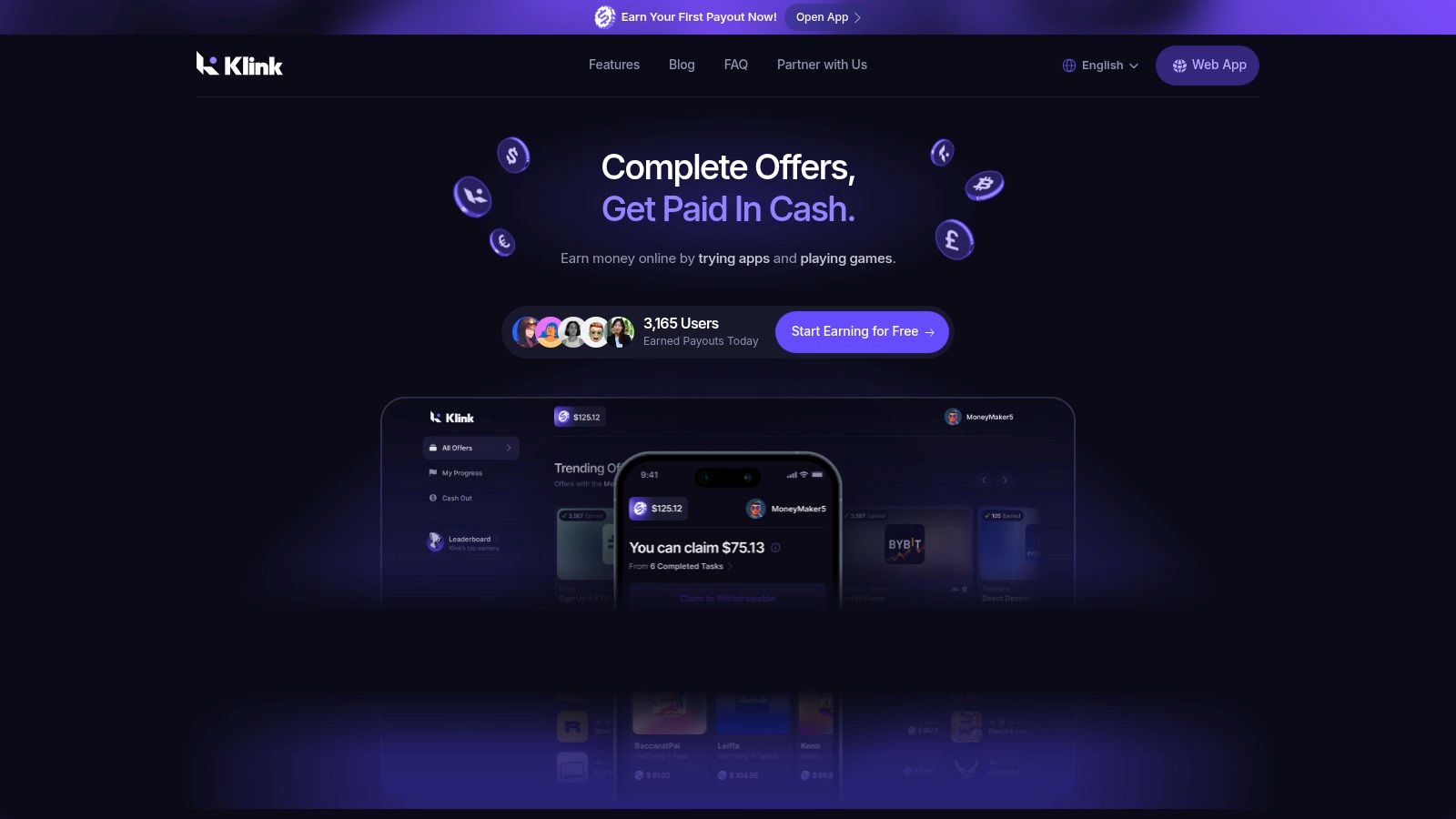
Klink Finance is the easiest starting point if your real goal is earning, not just gaming. It’s a global rewards platform where you can play games, try apps, answer surveys, and complete social tasks for payouts in cash currencies or digital assets. That matters because a lot of people searching for the best play to earn games no investment want flexibility more than they want one specific game.
What makes Klink practical is the setup. You can join on web, iOS, or Android, browse current offers, complete tracked tasks, and see progress update in real time. That removes a lot of the guesswork that frustrates beginners on other platforms.
If you want the game-specific side, Klink has a dedicated play games and make money section where users complete in-game milestones instead of paying to gain access.
Why Klink works for beginners
Most free earning platforms force you into one narrow format. Klink doesn’t. If a game offer dries up in your region, you can switch to surveys or app tasks instead of sitting around waiting for a new title.
It also supports withdrawals in fiat currencies like USD, EUR, and GBP, plus options like BTC, ETH, and SOL through its platform materials. That’s useful for people who want fast cashouts without being locked into one reward type.
How to use it well
Start with short offers first. Don’t jump straight into long milestone chains unless the tracking is clear and the reward justifies the time.
Use this basic approach:
Pick low-friction offers first: Choose games or app tasks with early milestones so you can confirm tracking before spending hours.
Check the rules before installing: Region limits, device requirements, and new-user conditions matter more than most beginners expect.
Watch the earnings log: If a task isn’t recording properly, stop early and review the requirement.
Mix high-effort and quick tasks: That keeps your earnings moving while longer game offers progress in the background.
Practical rule: If a platform helps you track earnings clearly and cash out flexibly, it’s usually a better starting tool than a game with flashy rewards but messy payouts.
The trade-off is simple. Earnings vary by country, device, and available offers. Casual users should expect modest results, while people who check in often and choose offers carefully tend to do better.
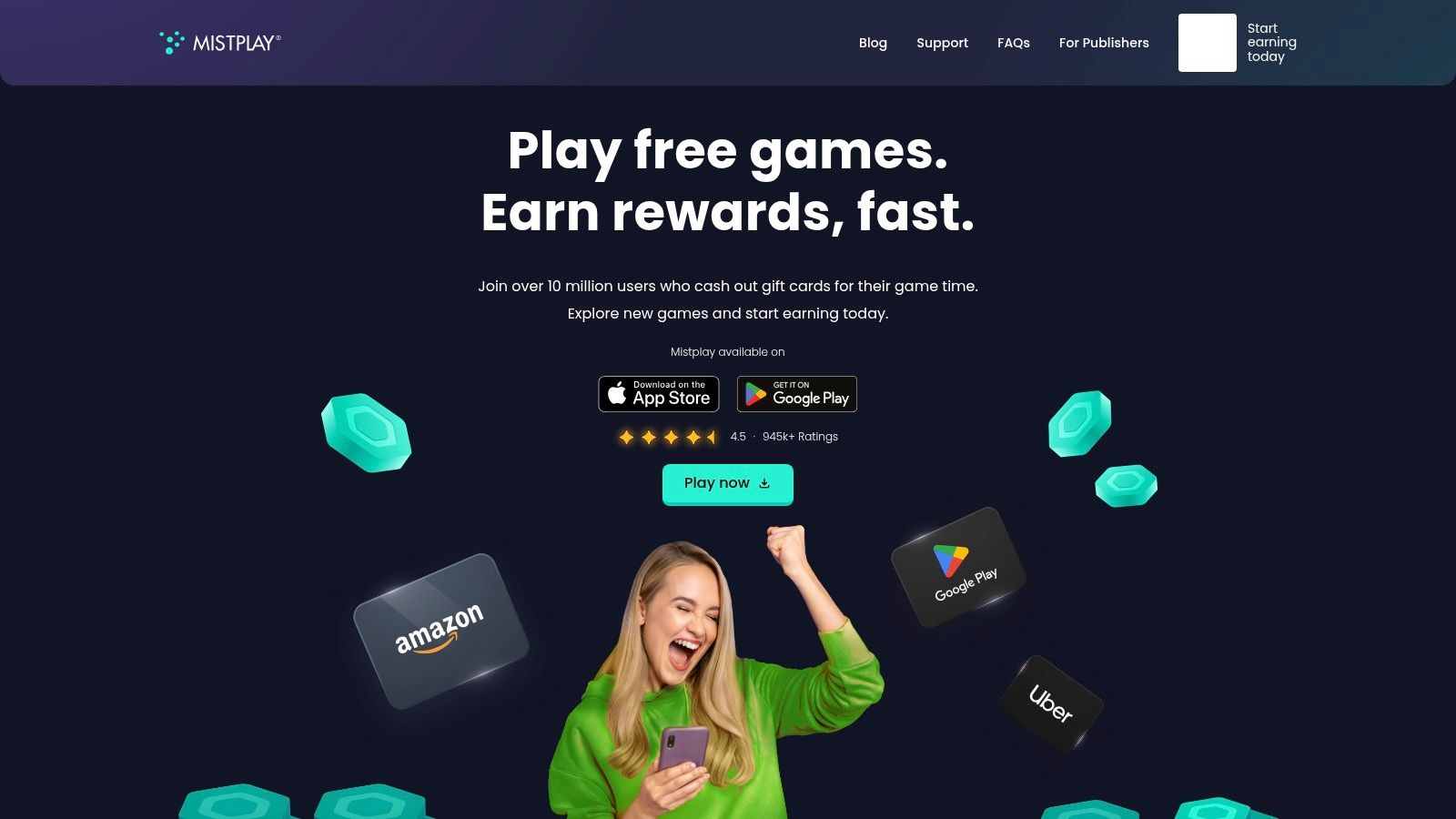
2. Mistplay
Mistplay is one of the most familiar names in this space because it keeps the model simple. Download games from its catalog, hit play goals, earn points, and redeem for gift cards. If you prefer gift cards over more technical payout systems, it’s one of the easiest entries on this list.
The main reason beginners like Mistplay is speed of setup. You don’t need to learn a marketplace or manage game assets. You just install, play, and let the app track your progress.
If you’re comparing beginner-friendly reward apps beyond games, Klink’s guide to money earning apps with no investment pairs well with Mistplay because the same rule applies. Simpler redemption usually means less friction.
Best use case for Mistplay
Mistplay works best for mobile players who already like trying new games. If you force yourself through titles you don’t enjoy, the earning rate feels slow fast.
A better method is to test several games from the catalog and keep only the ones that feel natural to play during short breaks. That usually beats grinding one game you hate.
Use short sessions: Mistplay is strongest when you treat it like a spare-time app, not an all-day grind.
Rotate games when progress slows: Some titles feel rewarding early, then stall.
Redeem when rewards are available: Stock and regional availability can shift.
Mistplay’s weakness is also its strength. It’s easy, but it’s not built for big payouts. Think convenience, not serious income.
3. Arc8 by GAMEE
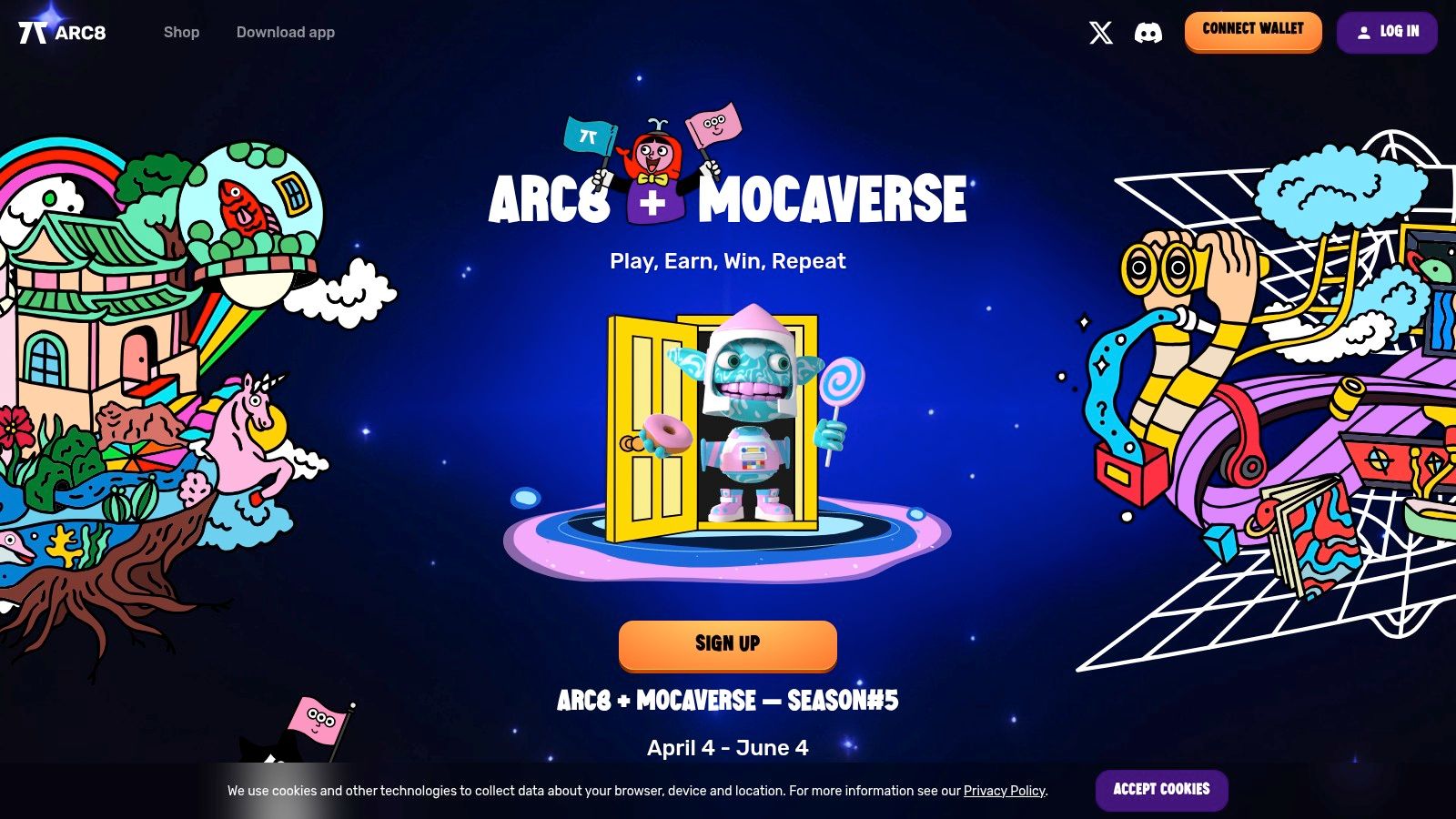
Arc8 feels different from reward apps because it leans into skill-based mini-games. If you like quick competition, daily duels, and event ladders more than passive point collection, it’s worth trying.
The appeal is the short match format. You can jump in, play a few rounds, and stop without needing a long session. That makes Arc8 more practical than many games that demand a big time block before anything useful happens.
For readers who want more mobile-first options, Klink also has a roundup of apps that pay you to play games, and Arc8 fits that style well because it rewards bursts of focus rather than deep progression.
Where Arc8 is strong
Arc8 is best for players who trust their reflexes. If you tend to perform well in short competitive games, this type of platform can feel more rewarding than passive reward apps.
It also benefits from low-friction design. According to the background data provided, free-to-start games built on lower-cost infrastructure reduce hidden transaction friction, and Arc8 sits in that broader category of easier-entry earning games even though rewards can be event-driven rather than steady.
Some free earning games pay for repetition. Arc8 is better when you can actually outplay people.
The downside is consistency. Big moments often come from special events, streaks, or tournament formats. If you want predictable daily rewards, Arc8 may feel uneven.
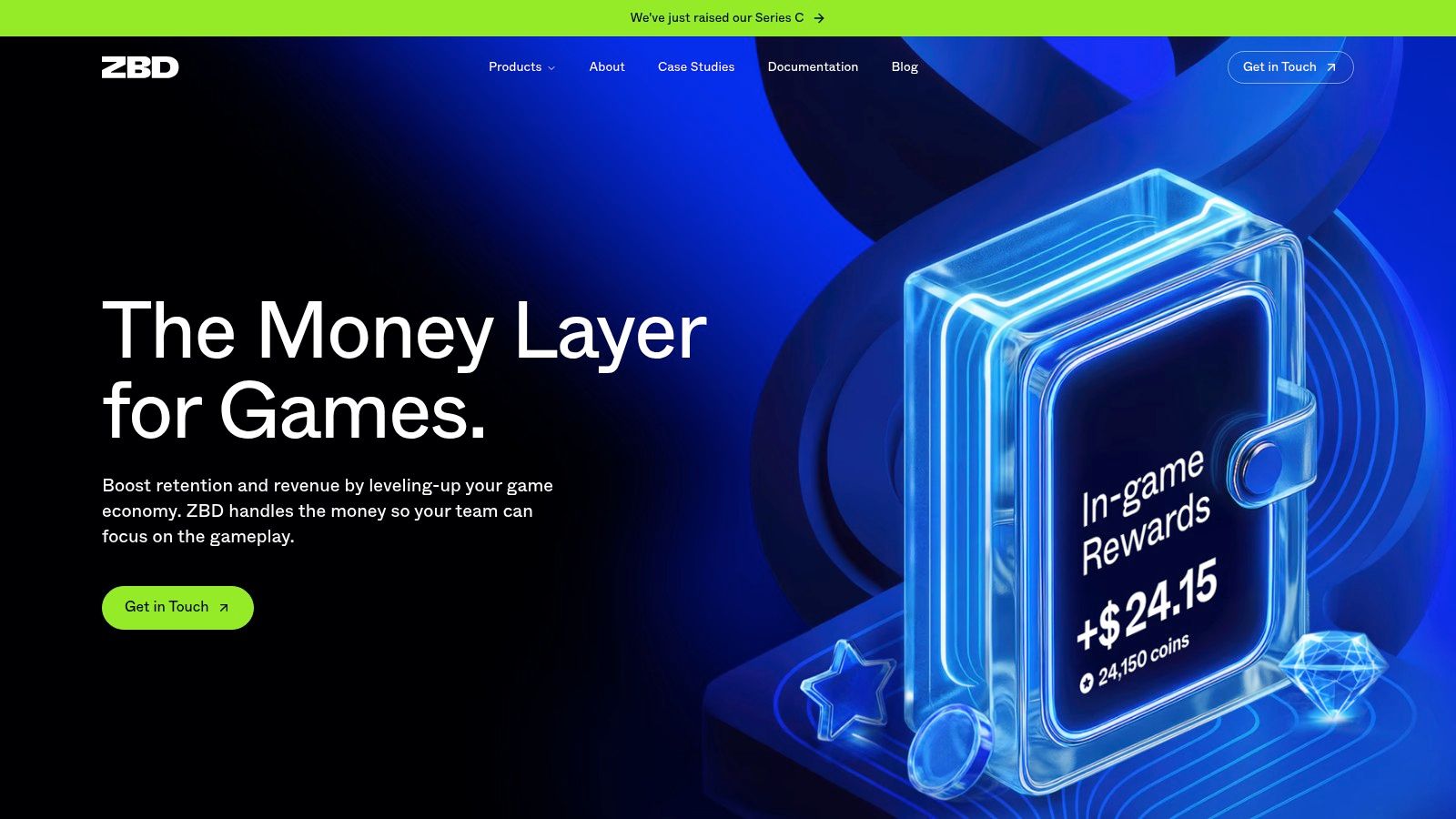
4. Bling Financial games
Bling Financial publishes very simple mobile games like solitaire, match-style games, and puzzle formats tied to one shared reward account. That’s the whole pitch. Play easy games, collect points, redeem.
This is one of the cleanest examples of low-pressure earning. You don’t need advanced skill, and you don’t need to buy anything to get started. If you want something to use while watching TV or waiting around, Bling fits.
Klink’s article on earning gift cards by playing games is useful here because it helps set expectations. Casual reward games are usually best viewed as small perks, not major income tools.
What to expect from Bling
The right expectation is coffee money. The wrong expectation is a meaningful hourly rate.
That doesn’t make Bling bad. It just means the value comes from easy access and low stress, not strong earning power.
Choose games you’d play anyway: That’s the only way micro-rewards feel worthwhile.
Use one account across titles: The shared balance is the main convenience.
Avoid chasing speed: These apps aren’t built for fast accumulation.
If you’re new and want a no-pressure first step, Bling is fine. If you want stronger upside, move toward task platforms or skill-based games.
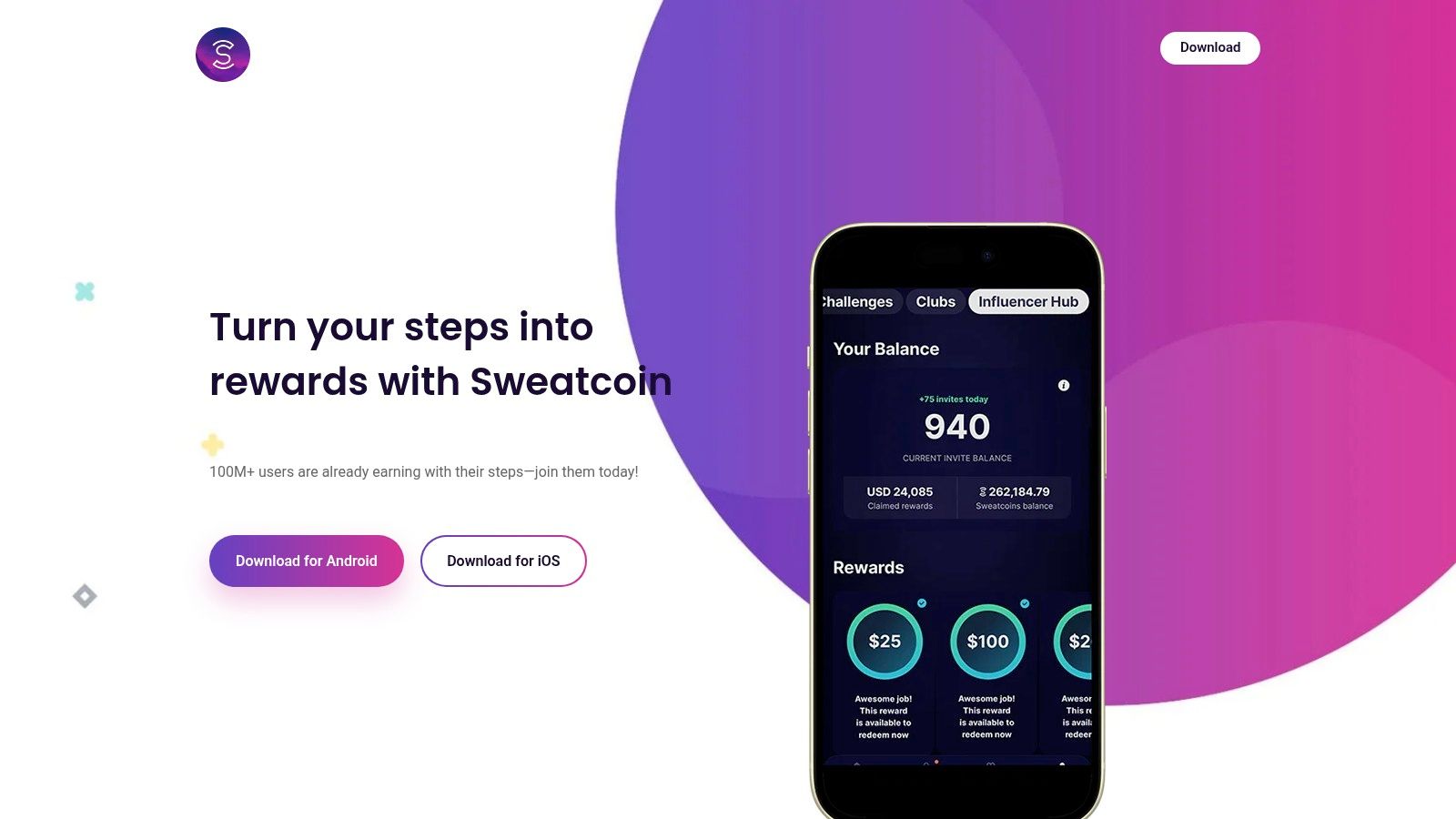
5. ZBD
ZBD is less like one game and more like a hub. It combines a wallet, a discovery layer for reward games, and extra ways to earn through offers and quizzes. That structure gives it one big advantage. You’re not stuck with a single title.
For practical users, that matters a lot. The problem with one-game earning is burnout. The moment you get bored, your earning stops. ZBD lets you switch between experiences without rebuilding from scratch.
When ZBD makes sense
ZBD is a good fit if you want flexibility and don’t mind small rewards spread across several activities. It’s also useful for people who want quicker withdrawals rather than long redemption waits.
The trade-off is scale. Individual tasks and games usually pay small amounts, so the actual benefit comes from stacking them consistently.
A simple way to use it:
Test several games early: Keep the ones with clear progress and skip the rest.
Mix games with quizzes or offers: Variety helps keep earnings moving.
Cash out regularly: Small rewards feel more real when you withdraw them instead of just watching a balance sit there.
ZBD is practical, but it’s rarely exciting. That’s fine. Reliable and boring often beats flashy and frustrating.
6. Gods Unchained
Can a free card game actually pay without pushing you to buy packs on day one?
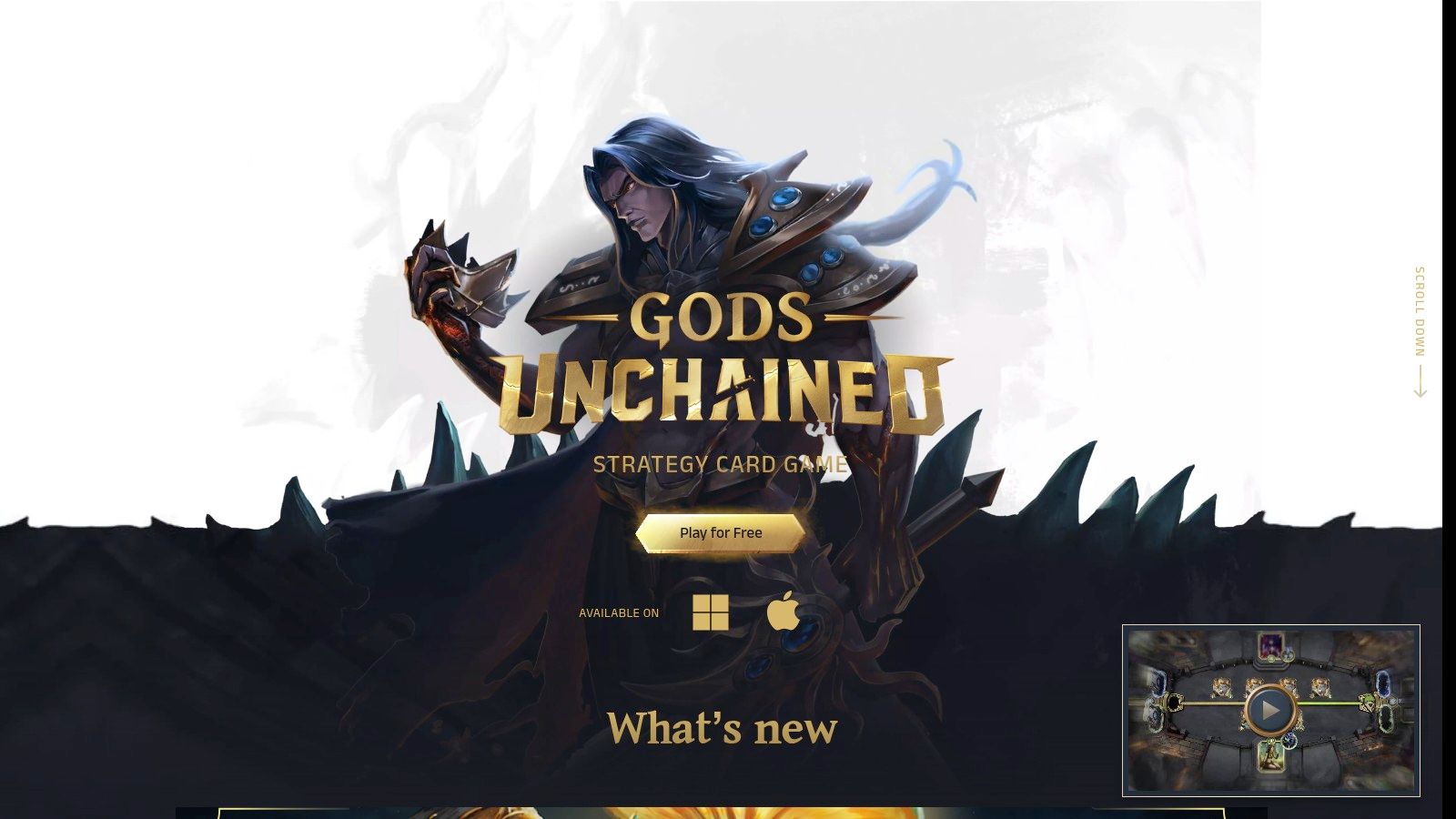
Gods Unchained is one of the better answers. You start with free starter cards, learn the core decks, and earn your way into the economy instead of paying for access upfront. That matters because a lot of free-to-play crypto games only feel free until progress slows down.
This one is still a card game first. Skill, deck knowledge, and patience matter more here than quick taps or passive grinding. If you already enjoy strategy battlers, the earning side makes sense. If you dislike losing while you learn, this can feel slow.
Who should play Gods Unchained
Gods Unchained fits beginners who want a clearer path than pure luck-based reward games. The basic playbook is simple:
Create an account and use the starter decks first: Do not rush to chase card values before you understand each god and win condition.
Play casual matches before ranked: Early mistakes are cheaper when you are still learning tempo, removal, and board control.
Track which deck feels natural: Sticking with one style is usually better than spreading time across every faction.
Check marketplace value before listing anything: Some cards are worth holding if they support a deck you can win with.
That last step trips up new players. Selling every tradable card can leave you with a weaker collection and worse results later.
What earning looks like in practice
The upside is straightforward. Strong play can turn time into tradable cards and token rewards. The downside is just as clear. Earnings are uneven, and beginners usually spend their first stretch learning matchups rather than pulling meaningful value out.
That is why I treat Gods Unchained as a medium-term option, not a quick-start earner. It works best if you want a game you would still play even during a low-reward week.
One more practical point. Zero-gas trading on its current setup removes a lot of the friction that used to make small-value blockchain game rewards annoying to use. For free players, that makes the system more workable.
Gods Unchained makes sense if you want to build skill first and treat earnings as a bonus that improves as your win rate improves.
Go in with that mindset and the game is easier to judge fairly.
7. Pixels
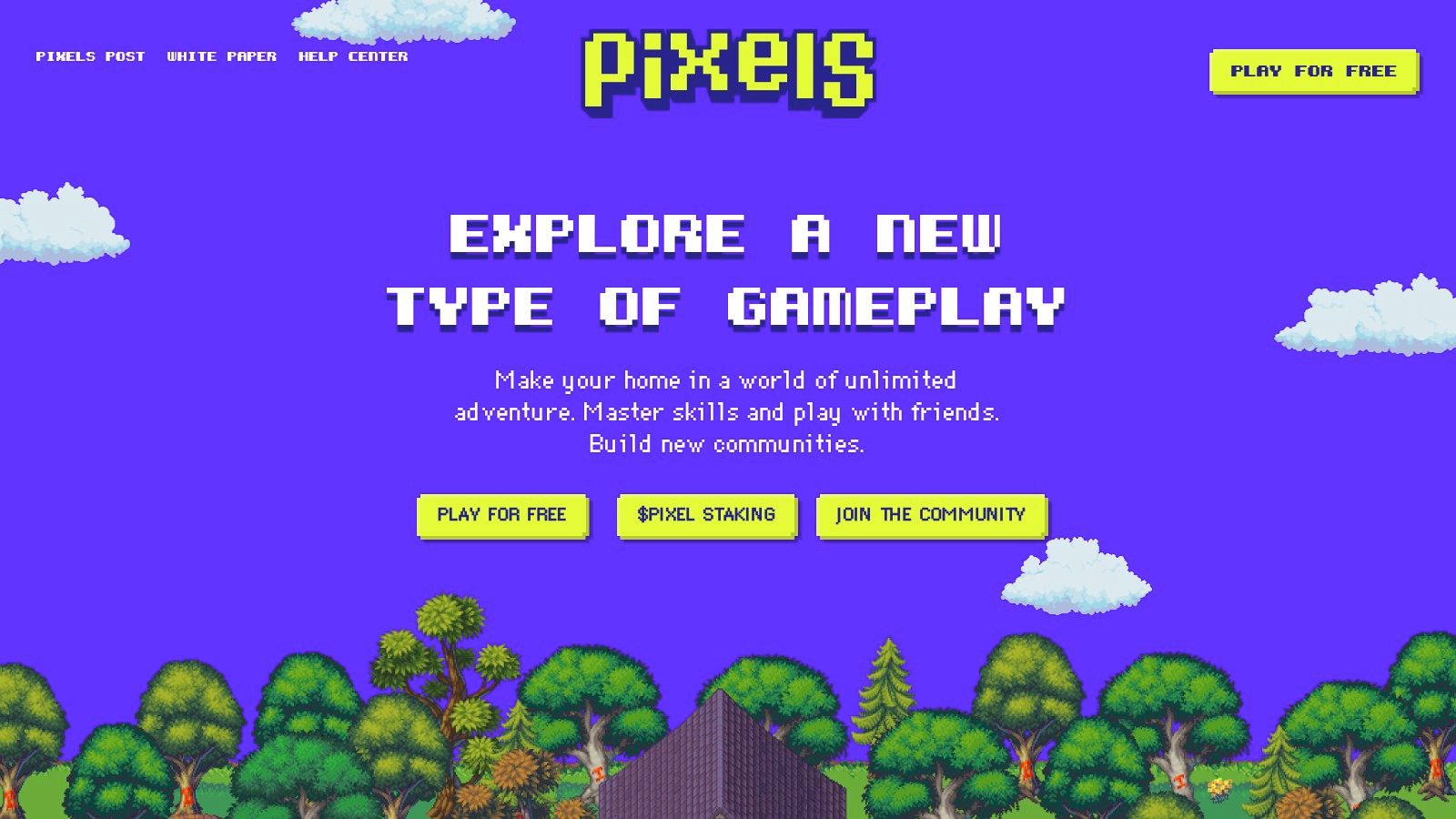
Pixels is a social farming game with jobs, gathering, crafting, and progression loops. It’s one of the better choices for players who want a softer, less competitive style than card battles or ranked arcade games.
What makes Pixels interesting is the split between active and passive earning paths. According to this overview of free play-to-earn game models, Pixels uses active jobs and quests for immediate rewards, while land ownership and sharecropping create stronger passive income paths later on.
Why beginners still like Pixels
You can start without buying in, which is the key point. You get to learn the game first, then decide whether the deeper economy is worth your time.
That makes Pixels more forgiving than systems where you need to commit early. You can treat it as a simple farming and quest game at first, then expand only if you enjoy it.
Start with task-board style jobs: They’re the easiest way to understand the game loop.
Sell resources only after checking demand: Don’t dump everything automatically.
Learn the economy slowly: Advanced systems are where many beginners get overwhelmed.
Pixels is fun, but it can become complex once you move beyond the basics. If you like economy games, that’s a plus. If you want simple earning, it may feel like too much.
8. RollerCoin
RollerCoin turns short arcade games into a virtual mining-farm simulation. The more you play, the more in-game power you build, and that affects your share of the reward pool. It’s browser-based, easy to test, and works well for people who like tiny daily routines.
This is one of those platforms where the concept is more engaging than the payout for most free users. That isn’t a deal-breaker, but you need to know it before you start.
Best way to approach RollerCoin
Treat RollerCoin like a daily habit game. Log in, clear a few mini-games, collect objectives, and move on. If you try to brute-force it for hours, the return usually won’t feel worth the effort.
The optional upgrades create the classic tension in this category. You can start free, but stronger output comes easier if users put more into the system later. That’s why it belongs on a no-investment list with a warning attached.
Free entry doesn’t always mean equal progress. In games like RollerCoin, paid acceleration exists even if starting is free.
RollerCoin is decent for casual consistency. It’s weak for people hunting strong hourly returns.
9. BUFF.game
BUFF.game is a loyalty layer for people who already spend time on PC games. Instead of asking you to switch into a special reward title, it runs through supported games and lets you earn points while doing what you were going to do anyway.
That makes BUFF appealing to regular gamers who hate tasky feeling apps. You’re not pretending to enjoy a random mobile game for pennies. You’re getting a little back from your normal routine.
The real trade-off with BUFF
BUFF is convenient, but the earnings are slow. It’s better as a bonus system than an income source.
That’s still useful. If you already play supported titles often, passive point collection beats starting from zero elsewhere. But if your goal is direct side income, platforms built around offers or milestones usually have more upside.
Try BUFF if:
You already game on PC regularly
You want gift-card style rewards
You don’t want to learn a new in-game economy
Skip it if you need meaningful earnings quickly. BUFF is a background perk, not a hustle.
10. Sweatcoin and Sweat Economy
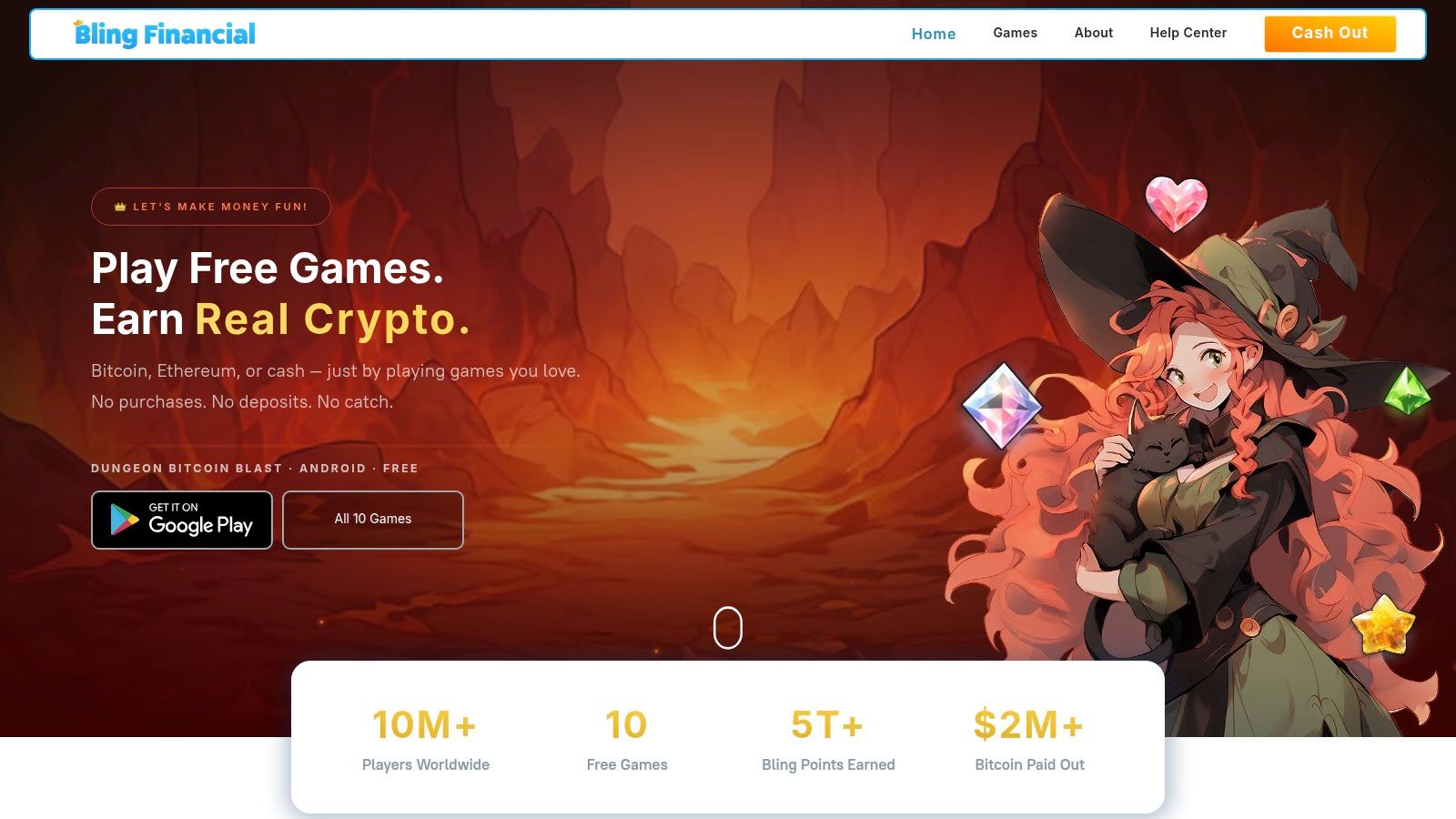
Sweatcoin isn’t a game in the usual sense, but it belongs on this list because it rewards a behavior many already do. Walk. If you like the idea of passive earning more than active play, this one is easier to stick with than many game-based options.
Its strength is habit alignment. You don’t need gaming skill, a long session, or a competitive streak. You just need movement.
Who gets the most from Sweatcoin
Sweatcoin works best for people who walk regularly anyway. Commuters, students, and anyone trying to get more steps in often find it easier to maintain than reward games that demand attention.
The weakness is control. Reward value, regional rollout, and transfer options can feel less straightforward than a normal payout app. That’s a common problem in movement-based reward systems.
There’s also a broader lesson here. According to the supplied research, newer free earning trends are leaning toward hybrid models that mix simple daily actions with rotating rewards instead of relying only on heavy game grinds. Sweatcoin fits that shift better than classic long-session games.
If your main goal is low-effort consistency, Sweatcoin is one of the easiest picks on this list.
Top 10 No-Investment Play-to-Earn Games Comparison
Platform | Core offering | Payouts & speed | Best for | Typical earnings / value | Standout feature |
|---|---|---|---|---|---|
Klink Finance | Tasks: try apps, play games, surveys, social quests | Fiat & crypto (USD, EUR, GBP, BTC, ETH, SOL); fast/instant cashouts | Casual to power earners worldwide | Varies by activity; site cites $100+/mo passive, up to $1k+/mo for power users | Real-time tracking, leaderboards, daily curated offers & global brand partners |
Mistplay | Download & level mobile games to earn Units → gift cards | Gift cards (Amazon, Visa, etc.); redeem via app (stock varies) | Mobile gamers seeking gift-card rewards | Slow; loyalty-style rewards dependent on game/time played | Curated game catalog, streak bonuses |
Arc8 by GAMEE | Skill-based mini-games, daily duels, tournaments/events | Token contests & event prizes; some events require paid pass | Competitive mobile players who enjoy short matches | Event-focused rewards; not steady passive income | Frequent themed events, 1v1 skill duels |
Bling Financial (BlingFi) games | Casual micro-games earning Bling Points | Crypto payouts (BTC/ETH) via Coinbase for supported users; small amounts | Newcomers to crypto micro-rewards | Very small per session, “coffee money” level | Low-friction crypto redemptions, no purchases required |
ZBD (Zebedee) | BTC Lightning wallet + game/offer hub | Satoshis via Lightning; instant withdrawals | Bitcoin users wanting quick sats from games/offers | Small per task; aggregateable via many titles | Instant Lightning cash-outs and game aggregator |
Gods Unchained | Free-to-play TCG with tradable cards & seasonal token events | Tradable cards; occasional $GODS rewards on Immutable L2 | Competitive card-game players | Variable; depends on season/meta and marketplace demand | Gas-free L2 trading and playable-to-earn card economy |
Pixels | Social farming/quest MMO on Ronin; task-board jobs | PIXEL/BERRY tokens on Ronin; withdraw via bridge | MMO/strategy players comfortable with wallets | Moderate with active play; depends on economy/events | Free start, skill progression, low-fee Ronin economy |
RollerCoin | Browser mining-sim: mini-games increase hashrate & pool share | BTC, ETH, other assets; withdraw to wallet | Casual sim/mining fans and time-investors | Modest without upgrades; higher with purchases/time | Verifiable withdrawals, many bite-size games |
BUFF.game | Overwolf tracker: earn points while playing supported PC games | Gift cards, game keys, hardware; marketplace stock varies | PC gamers who play supported titles already | Slow, loyalty-style earnings | Earn passively from games you already play (2,000+ titles) |
Sweatcoin / Sweat Economy | Move-to-earn: step tracking → SWEAT tokens | SWEAT tokens; wallet integrations and partner perks | Passive earners / fitness-minded users | Passive daily earnings; value depends on token utility & rollout | Zero-cost passive earnings tied to real-world activity |
Ready to Start Earning? Your Next Move
Free games can pay. That part is real. The part people get wrong is assuming every free game is worth their time.
The best play to earn games no investment users should try fall into a few very different buckets. Some are reward platforms first, like Klink Finance and Mistplay. Some are skill-first games, like Arc8 and Gods Unchained. Some are habit tools dressed like games, such as Sweatcoin. And some are background loyalty systems like BUFF.
That means the right choice depends less on hype and more on your style.
If you want the simplest route to cash-style rewards, start with Klink Finance or Mistplay. If you like competition and can win, Arc8 or Gods Unchained have more upside. If you want a softer pace, Pixels is easier to enjoy for longer. If you already play PC games anyway, BUFF is the easiest add-on. If you’d rather walk than grind, Sweatcoin makes more sense than forcing yourself through another app.
A few rules will save you time:
Track your hours: If a platform feels fun, keep going. If it feels like work, compare the reward to your time realistically.
Don’t chase every app at once: Pick one main option and one backup.
Cash out early when possible: That confirms the system works before you invest more energy.
Read the conditions before starting: Region rules, device rules, and new-user requirements decide whether your effort counts.
Avoid hype language: If a platform promises easy riches, treat that as a warning sign.
The biggest mindset shift is this. These platforms work best when they monetize time you were already going to spend. Commutes. Waiting rooms. Evenings on the sofa. Short gaming sessions after work. If you force extra hours into weak-paying systems, the math gets bad fast.
A sensible strategy is to test one platform for a week. Keep notes. How long did you spend? What tracked? How easy was cashout? Did you enjoy it enough to continue?
That small experiment tells you more than any ad ever will.
If you want one place to start without spending anything upfront, Klink Finance is a solid first pick. It combines game offers, app tasks, surveys, and social quests in one platform, with flexible payout options and clear tracking, so you can find what works for your time instead of relying on one game alone.

High Quality Offers,
Real Payouts
Start Earning with Klink Now!






Share Article
Related Articles
Read more, Earn more