
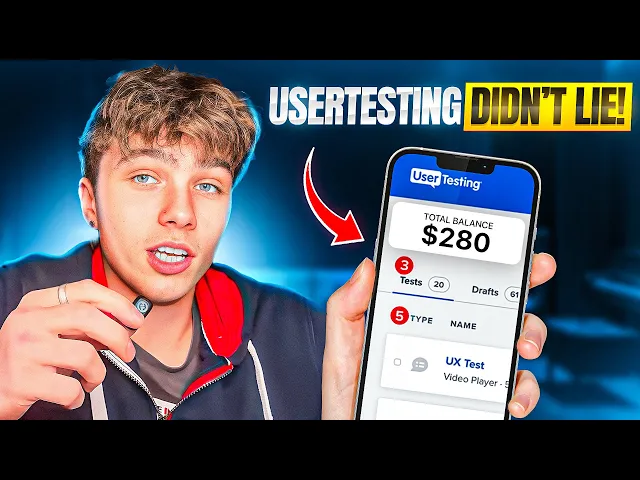
You’re probably reading this on your phone between other things. A commute. A lunch break. Five quiet minutes before bed. That’s exactly why app testing appeals to so many people. It turns small pockets of time into paid work without asking you to build a business, sell anything, or become a developer.
The catch is simple. Many individuals approach app testing the wrong way.
They chase random offers, rush through screeners, give weak feedback, and then wonder why the work dries up. The people who do better treat this like a reputation game. They become the tester platforms want to invite again.
This defines the strategy for earn money testing apps 2026. Not one lucky test. Not one flashy payout screenshot. A reliable pattern of getting selected, doing strong work, and earning repeat opportunities.
Your 2026 Game Plan for App Testing Income
A beginner doesn’t need a fancy setup. You need a clean setup.

What you need
Most legit app testing starts with a short list of basics:
A reliable phone: Newer is better, but stable performance matters more than brand.
A laptop or desktop: Some tests are mobile-only, but many pay better when you can also test websites or cross-device flows.
A quiet room: Background noise can ruin a submission fast.
A decent microphone: You don’t need studio gear. You do need clear audio.
A webcam: Some moderated sessions require it.
PayPal set up and verified: A lot of platforms still rely on it for payouts.
If your internet cuts out often, fix that first. Testing work depends on smooth recordings, fast task loading, and clean uploads.
The mindset that pays
This side hustle works best for people who are observant and calm.
Clients don’t pay you for saying “looks good.” They pay you for noticing friction. They want to hear where you hesitated, what confused you, what you expected to happen, and what made you trust or distrust the app.
Practical rule: Talk like a normal user, not a product manager. Clear reactions beat fancy language every time.
That also means not forcing opinions. If a button was easy to find, say that. If checkout felt clunky, explain why. Good testers are balanced, not dramatic.
Set your accounts up before you start
A lot of beginners wait until after they complete a task to sort out payment details. That’s a mistake.
Do this first:
Open your payment account Fill in your legal name and double-check the email address.
Match names across platforms Small mismatches can slow payouts or trigger reviews.
Create a simple tracking sheet Log the platform, date, test type, status, and payout.
Make a testing email Keep invitations and platform alerts out of your personal inbox.
Turn on notifications Good tests disappear fast. You need to see invites early.
Your real starting goal
Don’t start with “How do I make a lot?”
Start with “How do I become easy to trust?”
That means showing up on time for live sessions, speaking clearly, following instructions exactly, and not trying to game demographics. Your first few tests are less about cash and more about proving you won’t waste a client’s study.
What sustainable income looks like
The strongest testers build a repeatable routine:
Focus area | What to do |
|---|---|
Availability | Check platforms at consistent times each day |
Quality | Give detailed, useful spoken feedback |
Reliability | Finish accepted tests promptly |
Profile strength | Keep demographics and devices updated |
This is the boring part. It’s also the part that works.
Finding and Qualifying for Legit Testing Gigs
The biggest beginner problem isn’t lack of apps. It’s too many bad options.
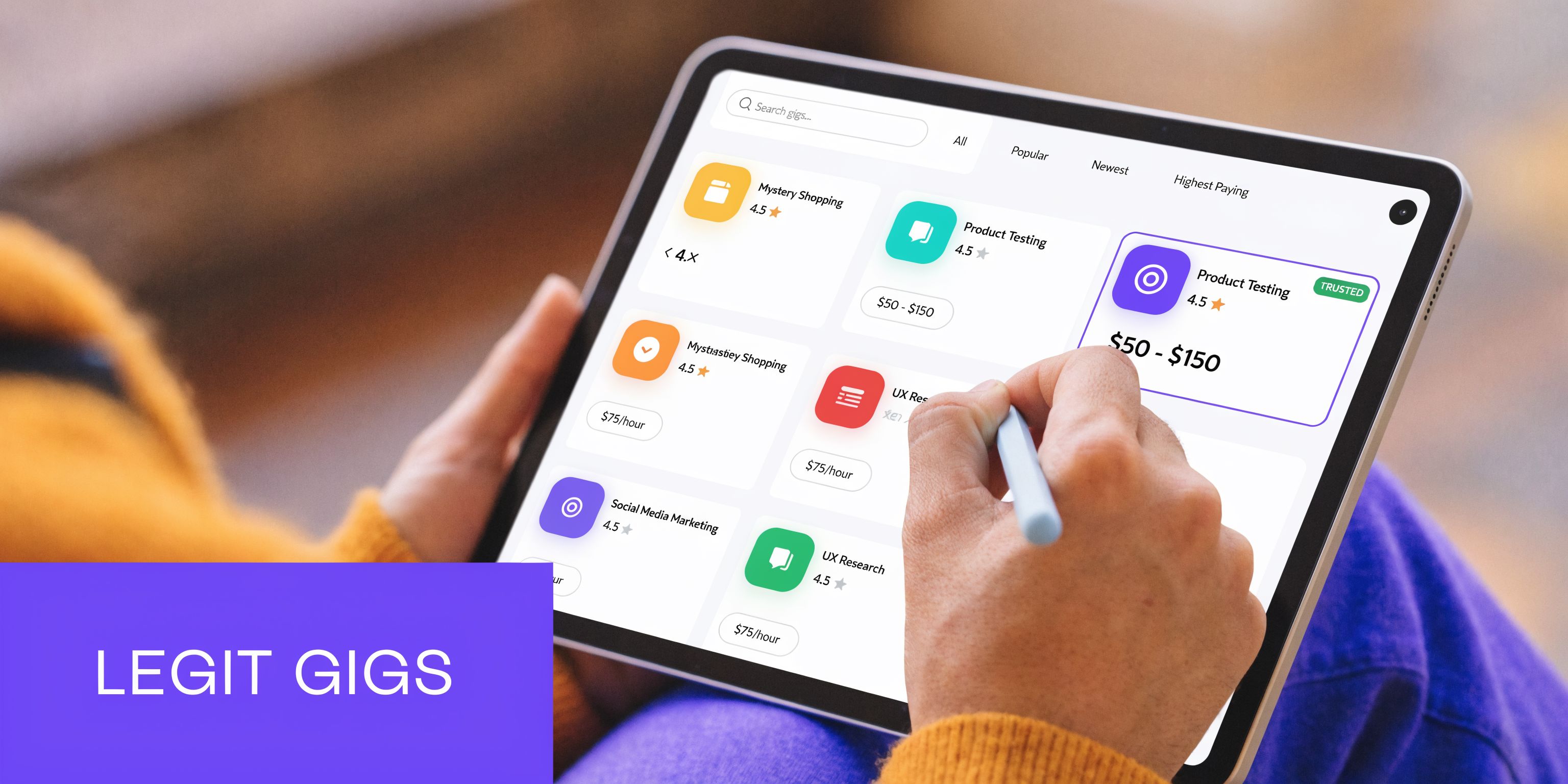
In 2026, a rigorous evaluation of 47 money-making apps showed that only about 42.6% consistently provided real-money payouts. Platforms like UserTesting stood out, with active participants earning amounts that could range from $20-$60+ monthly from 15-20 minute tests paying $10-$60 each (visu.network’s evaluation of money-making apps). That tells you two things fast. First, a lot of “earning apps” aren’t worth your time. Second, legit testing platforms do exist, but you have to filter hard.
The three buckets of app testing work
Not all testing gigs look the same.
Dedicated usability platforms
These are the platforms many users prioritize first. They usually ask you to record your screen, speak your thoughts, and follow a scenario.
Better-paying work often lives in this category. The trade-off is competition. Screeners are stricter, and availability can be uneven.
Offer and task platforms
Some platforms bundle app-related tasks with surveys, installs, signups, or engagement tasks. That’s useful when you want more frequent opportunities and don’t want to depend on one testing site. One example is apps that pay you to try new apps, which explains how task-based earning around app discovery works in practice.
These offers aren’t always the same as classic usability tests. Still, they can help you build consistency while waiting for higher-value invites elsewhere.
Low-value grinders and junk apps
These are the ones that waste time.
They often rely on vague promises, cluttered payout rules, or tasks that take too long for too little return. If an app makes it hard to understand how earnings convert into real money, move on.
Green flags and red flags
Use this quick filter before you spend time signing up.
Sign | What it usually means |
|---|---|
Clear payout method | Better chance the platform is legitimate |
Transparent task rules | Lower chance of wasted effort |
Real screening process | The client cares about matching testers |
Vague earning claims | Usually a warning sign |
Upfront payment request | Walk away |
No clear support or FAQ | Bad sign when problems happen |
A small amount of friction at signup is normal. A messy or secretive payout system isn’t.
One practical detail many people miss is account verification. If a platform requires phone confirmation and you want to understand how that process works before sharing your main number, this guide on using a verification phone number for signing up for apps gives a useful overview of the verification step and the trade-offs involved.
Screeners decide who gets paid
Most beginners think the test is the hard part. It isn’t. The screener is.
A screener is the short questionnaire that decides whether your profile matches the client’s study. That’s where most invitations end.
Here’s what works:
Answer truthfully: Fake answers create bad-fit tests, poor feedback, and fewer future invites.
Be specific: If you use budgeting apps, say how you use them. General answers tend to lose.
Keep profiles updated: Your devices, job role, hobbies, and household details affect eligibility.
Respond quickly: Some tests fill before the best candidate is even done answering.
The best screener strategy is accuracy plus speed. Not creativity.
What platforms value more than testers often realize
They value predictability.
A tester who gives clear feedback every time is easier to book than someone who sounds clever but rambles. That’s why reputation starts before the test itself. It begins with complete profiles, truthful demographics, and no sloppy applications.
A simple pattern helps:
Fill out profile sections fully.
Turn on alerts.
Check opportunities at the same times daily.
Apply fast.
Don’t force your way into studies that don’t fit.
Later, when you want to sharpen your eye for what makes a try-and-review task worth doing, this video gives a helpful overview of the broader app-testing and paid-app environment.
The reputation-first way to qualify more often
The counterintuitive truth is that you don’t get more invites by acting like the “perfect” user. You get more invites by being a believable one.
If you’re a student, lean into student habits. If you use delivery apps every week, say that. If you’ve tried finance tools, productivity apps, or gaming apps, reflect the way you use them.
Clients are not hunting for polished answers. They’re hunting for the right person.
Your First Test A Walkthrough from Start to Finish
The first invite always feels bigger than it is.
You hear the notification. You open the platform. You see the task, the time estimate, and the instructions. For a second, you think, “I should probably wait until I know what I’m doing.”
Don’t overthink it. A standard test is usually straightforward if you stay calm and follow what’s on the screen.
The moment you accept
Read every instruction once before you touch the app.
That sounds obvious, but beginners often rush into the task and miss the one rule that mattered. Maybe the client wants first impressions before login. Maybe they want you to avoid using search. Maybe they want your thoughts on the onboarding flow only.
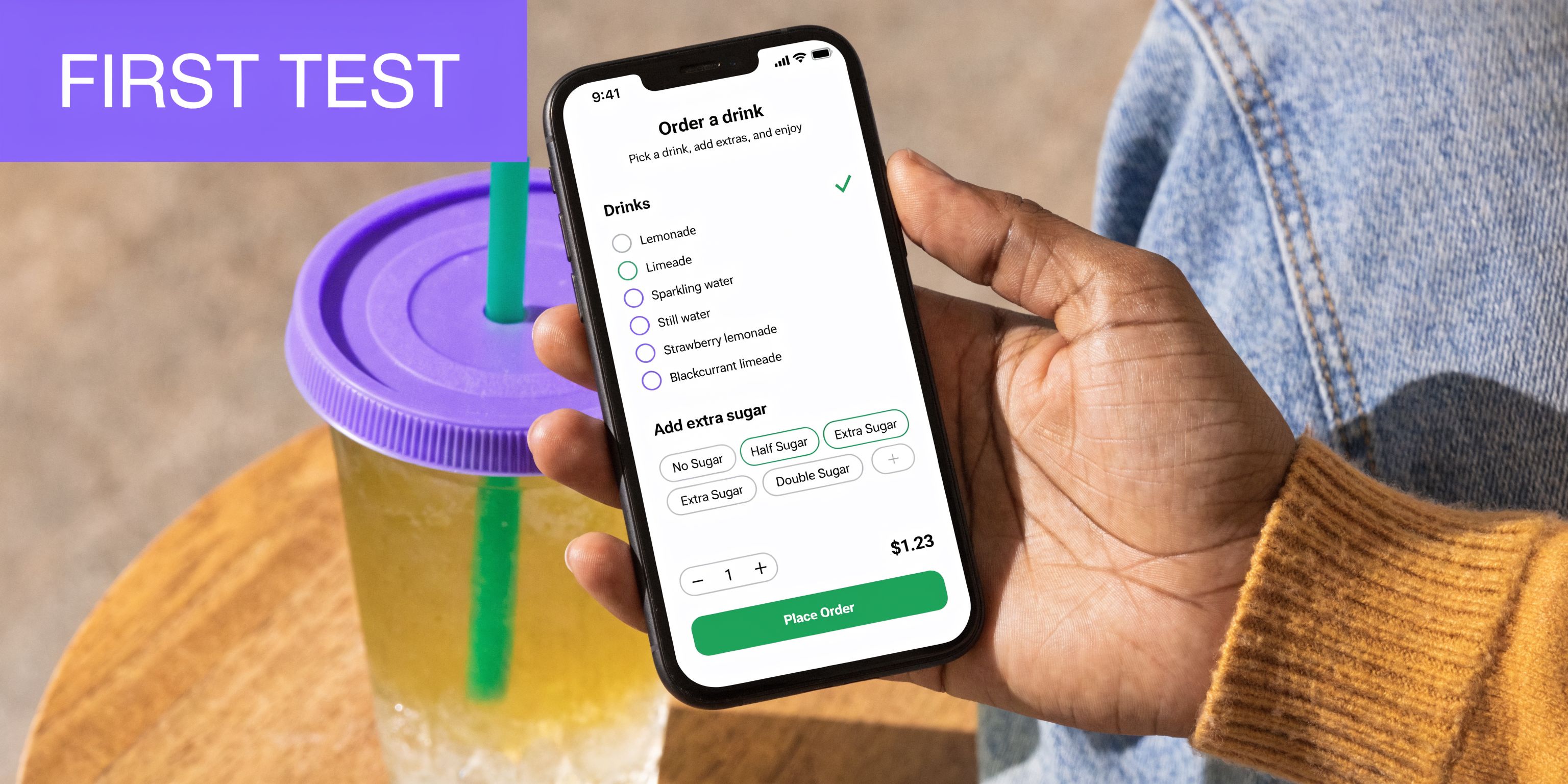
Before the recording starts, do a quick check:
Close extra tabs and apps
Mute notifications
Plug in your device or charge it
Test your microphone
Clear your desk and your screen
This protects your privacy and keeps the recording clean.
What thinking aloud sounds like
This is the skill that separates useful testers from forgettable ones.
Bad feedback sounds like this:
“Yeah, this looks fine. I guess I’d click here. Okay, now I’m on this page. Cool.”
Good feedback sounds like this:
“I expected the sign-up button to be at the top right, so I paused for a second looking there. I found it lower on the page, but the color blends in with the background, which made it easy to miss.”
See the difference. One describes movement. The other explains experience.
A simple sample test flow
A typical first test might go like this:
Step one is first impression
You open the app and say what you notice immediately.
Is the purpose clear? Do you know who it’s for? Does it feel trustworthy? Is there anything confusing before you even tap?
Step two is task completion
The client gives you a goal, like creating an account, finding a product, or booking a service.
As you move through the app, keep talking. Mention what feels easy, what slows you down, and what you expected to happen next.
Step three is friction points
Here your value increases.
Maybe a form asks for too much information too early. Maybe the labels are vague. Maybe the checkout page feels crowded. Don’t just say something is bad. Say what made it hard and what you thought would happen instead.
Step four is wrap-up
Most tests end with short follow-up questions.
Take them seriously. Written responses often confirm whether your spoken feedback was thoughtful or shallow.
For a beginner-friendly breakdown of app review work and how it overlaps with testing, this guide on get paid for app reviews is useful because it shows where casual review tasks and more structured testing work start to diverge.
What gets people rejected after a first test
Most failed submissions come down to a few avoidable mistakes:
Going silent for long stretches
Reading instructions without reacting to the app
Talking too fast to understand
Ignoring the assigned task path
Ranting instead of describing
Field note: Clients don’t need a performance. They need evidence of your real user experience.
How to finish like a pro
When the test ends, submit promptly and move on.
Don’t reopen the app and second-guess every comment. Don’t send extra messages unless there was a technical problem. Strong testers are clear, useful, and low-maintenance.
That’s how a reputation starts.
Not with one brilliant insight. With one clean, dependable submission after another.
How to Maximize Your App Testing Earnings
If you want better income from app testing, random effort won’t get you there. Reputation will.
Most individuals stay stuck at the same level because they think more applications equal more money. That’s only partly true. The bigger jump comes when platforms learn that your feedback is usable, your audio is clean, and your sessions don’t create headaches for researchers.
Brands care because app performance affects retention and revenue. Mobile app trends in 2026 are heavily influenced by AI and super apps, increasing the demand for human testers. Top apps can generate significant revenue per download, which is why brands invest heavily in user feedback to ensure app performance and retention (MobileAction’s app revenue analysis).
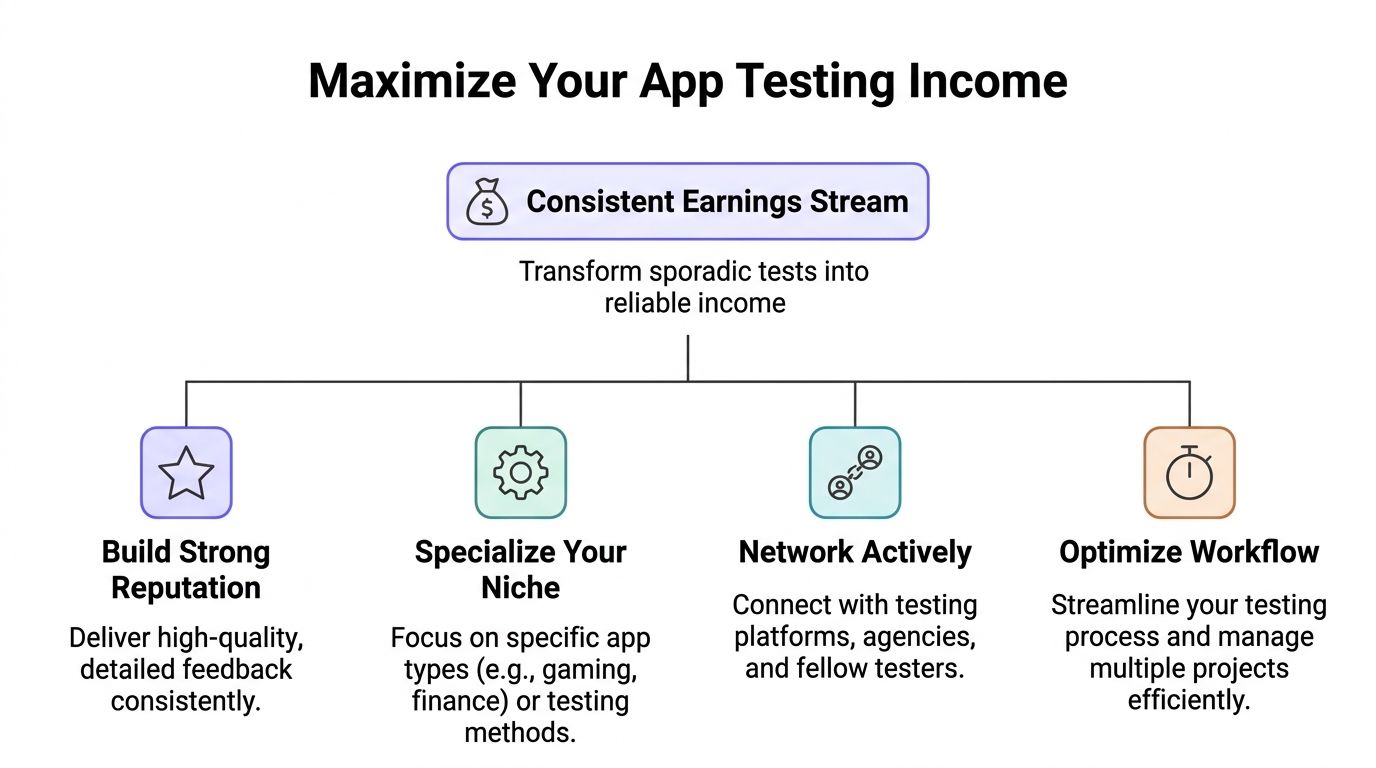
Reputation changes what shows up in your inbox
A strong tester reputation does three things.
It helps you get invited again. It makes clients more comfortable putting you in more detailed studies. And it raises the odds that when a platform has limited slots, you stay in the mix.
That matters more than chasing every low-value task on the internet.
Four moves that build sustainable earnings
Build a feedback style clients can use
Useful feedback has structure.
Say what you tried to do. Say what you expected. Say what happened instead. Then explain why it mattered.
That pattern works across shopping apps, finance tools, games, and productivity products. It also makes your recordings easy to review, which researchers remember.
Specialize without boxing yourself in
Generalists can get work. Specialists often get better work.
If you already use certain app categories a lot, lean into them. A regular mobile gamer can often speak naturally about progression, menus, impediments to tutorials. A frequent banking or budgeting app user can notice trust signals, onboarding pain, and transaction clarity faster than someone who rarely touches those tools.
You don’t need to become “the finance tester” forever. You do want recognizable strengths.
Protect your hourly value
Not every accepted task is worth taking.
Some tests are short and smooth. Others involve awkward setup, repeated restarts, or long qualification paths that lead nowhere. After a while, you’ll spot patterns. The smart move is to protect your attention for platforms and study types that respect your time.
Use a simple review habit:
Track completion time: Estimated time and real time are often different.
Track friction: Note which platforms create technical issues.
Track payout speed: Fast payment improves cash flow.
Track fit: Some categories match your profile far better than others.
Become easy to schedule
This sounds minor, but it isn’t.
Researchers and platforms notice testers who are dependable. If you accept moderated work, show up early. If an unmoderated task has a time limit, don’t leave it sitting around. If your devices change, update your profile.
Reliability creates trust. Trust creates repeat work.
Why niche focus helps
A lot of beginners only think about “testing apps” as one giant category. It isn’t.
A meditation app, a food delivery app, and a stock-tracking app all ask for different user instincts. The more naturally you fit a category, the less forced your feedback sounds. That’s one reason niche app familiarity often leads to stronger submissions.
You can build this edge with simple habits:
Niche | What to pay attention to |
|---|---|
Finance apps | Trust signals, clarity, onboarding friction |
Gaming apps | Tutorial flow, rewards, menu logic |
Shopping apps | Search, filters, checkout confidence |
Productivity apps | Navigation, learning curve, repeat usage |
Strong testers don’t try to be everyone. They become unusually useful to the right studies.
A better earnings stack
The most practical way to grow is to combine a few types of opportunities instead of relying on one source.
Use premium usability tests when they appear. Fill dead time with smaller app-related tasks. Keep your profile current across multiple platforms. One example of a task-based option is Klink Finance, a global rewards platform where users can earn through partner offers such as trying new apps, completing simple actions, and tracking rewards in real time. If fast cash flow matters to you, this article on apps that pay instantly is relevant because payout speed often matters as much as task volume.
What doesn’t work
A few habits hold people back for months:
Spraying applications everywhere with weak profiles
Giving generic feedback that sounds copied
Taking bad-fit tests just to stay busy
Ignoring audio quality
Treating every platform the same
The better approach is slower and more deliberate. Build a profile that reflects your real life. Improve your spoken feedback. Track where your time is best spent. That’s how you move from occasional payouts to a steadier side hustle.
Getting Paid Setting Up Payouts and Handling Taxes
Testing apps is only satisfying when the money lands where you can use it.
This part is less exciting than screeners and test invites, but it matters just as much. A lot of beginners lose time here because they set up payouts late, miss verification steps, or forget to track income until tax season becomes a mess.
Know how most platforms pay
App testing often follows a tiered pay model. Standard 20-minute tests on platforms like UserTesting typically pay around $10, while live conversation tests can pay up to $120. Most major platforms process payments exclusively through PayPal (LogicalDollar’s breakdown of app testing pay structures).
That last point matters. If your PayPal account has problems, your cash flow can stall even if your work is fine.
Set it up carefully:
Use your legal details Mismatched identity information can cause payout delays.
Confirm your email and security settings Don’t wait until money is pending.
Check regional availability Some countries face more friction with PayPal access than others.
Review currency handling Cross-border payments can affect what you receive.
If you want a broader view of how international payouts work across platforms and regions, this guide to cross-border payment solutions gives a practical overview.
Keep records from day one
Don’t rely on memory.
Create one simple spreadsheet with these columns:
Date | Platform | Task type | Amount received | Status |
|---|
That’s enough for most beginners. The point isn’t perfect bookkeeping. The point is having a trail.
Also save payout emails and screenshots of completed tasks when the platform allows it. If a payment goes missing, your own records help.
Taxes are part of the job
App testing income is usually treated like freelance or contractor income in many places. That means you should expect some responsibility for reporting what you earn.
I’m not giving tax advice here. A local accountant or tax professional should handle that part for your situation. But the practical rule is simple. If money comes in, keep a record.
Save first, celebrate second. Small online earnings still count.
If you’re based in Australia or want an example of the kind of planning freelancers look into, 10 Effective Tax Minimisation Strategies Australia Can Use in 2026 is a useful read for understanding how self-employed earners think about tax planning. Local rules differ, so always match advice to your country.
A few payout mistakes to avoid
Don’t ignore fees and conversion issues
If a platform pays in one currency and you spend in another, the final amount can shift. Check before you cash out.
Don’t mix everything together blindly
Use a separate note, spreadsheet, or even a separate bank sub-account if that helps you stay organized. Side-hustle income gets messy when it disappears into normal spending.
Don’t leave verification unfinished
A half-set-up account can delay the moment you need money most.
Make cash flow less stressful
You don’t need a complicated finance system. You need a repeatable one.
Pick one day each week to:
Review incoming payments
Update your earnings log
Check pending payouts
Set aside money for taxes if needed
That weekly habit does more for your side hustle than most “earning hacks” ever will.
Frequently Asked Questions About App Testing
How much can I realistically earn as a beginner
It depends on your profile, country, device mix, and how often good tests appear. Beginners should expect uneven income at first. Some weeks are quiet. Some weeks are better. What improves your odds most is building a reputation for clear feedback and fast, reliable completion.
Do I need technical skills to test apps
No. Most platforms want normal users, not developers.
What matters is being observant, speaking clearly, and following instructions exactly. If you can explain what confused you and why, you already have the core skill.
What kind of apps are easiest to qualify for
Usually the ones that match your real life.
If you regularly use shopping apps, delivery apps, games, banking tools, or productivity apps, your profile can fit those studies more naturally. Honest familiarity helps more than trying to sound like a perfect candidate.
How do I become a tester platforms want to invite again
Treat every test like an audition for the next one.
Speak throughout the session. Stay on task. Don’t exaggerate. Submit clean recordings. Show up on time for any live session. Over time, reliability becomes your edge.
Are app testing earnings taxable
In many countries, yes. That income is often treated like freelance or contractor earnings.
Keep records of what you earned, when you earned it, and where it came from. Then check the rules that apply in your location.
How fast do payouts usually arrive
It depends on the platform.
Some services pay after a review period. Others hold earnings until you reach a withdrawal threshold. Before you spend time on any platform, read the payout rules so you know what “paid” means there.
Can I test apps from outside the United States
Usually, yes.
Many app testing and task platforms operate globally, but individual studies may target specific countries, languages, or user groups. Your location doesn’t block all opportunities. It just shapes which ones you’re likely to see.
If you want another place to find app-related earning opportunities, Klink Finance is a global rewards platform where users complete simple tasks like trying apps, surveys, and partner offers, then track earnings and withdrawals in one place. It’s worth checking if you want a broader mix of online earning options alongside classic app testing.


High Quality Offers,
Real Payouts
Start Earning with Klink Now!








Share Article
Related Articles
Read more, Earn more