
Looking for a side hustle app that fits your life in the UK in 2026?
You have plenty of choices. The hard part is picking one that matches your goal, your schedule, and the amount of hassle you're willing to accept. Too many roundups lump everything together, even though a delivery app, a paid research platform, and a resale marketplace work in completely different ways.
Some apps are built for quick cash. You trade time, travel, and availability for faster payouts. Others are better for flexible online work, but tasks can be irregular and earnings can swing week to week. Selling apps can work well too, but only if you have decent items, can price them properly, and don't mind dealing with buyers.
The UK side hustle market is crowded now. More people are trying to earn extra income, so good delivery slots, higher-paying studies, and worthwhile gigs get snapped up faster. Picking the right app early saves time.
This guide focuses on the 2026 UK market, not just a generic list of popular apps. It compares side hustle apps for UK users in 2026 based on what beginners usually care about most: quick cash vs scalable income, online vs local work, realistic earning potential, and how much effort each option really takes.
You'll also get the part many articles skip. A plain-English view of trade-offs, a realistic verdict on which apps are worth your time, and basic UK tax context so you know when extra income stops being casual and starts becoming something you need to track properly.
The list includes local task apps, food and parcel delivery platforms, paid studies, user testing, mystery shopping, retail audit tools, resale apps, and one option, Klink Finance, for simple online tasks that don't require a car, bike, or stock to sell.
1. Klink Finance
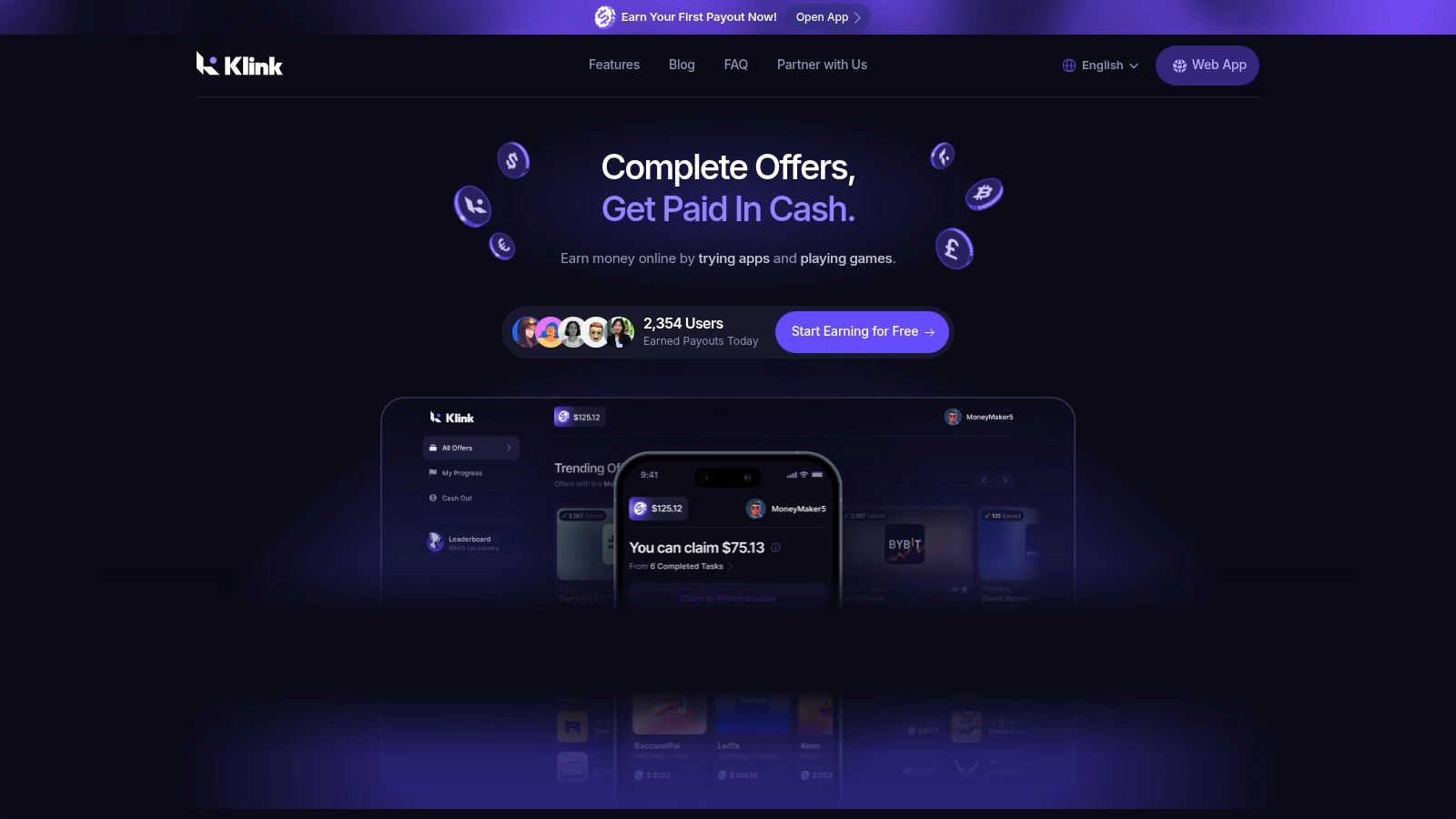
Klink Finance is a global rewards platform that pays users for simple online actions. That includes trying apps, playing games, answering surveys, and completing social tasks through partner offers.
For beginners, the biggest advantage is obvious. You don't need a vehicle, specialist skill, or local demand in your postcode. You sign up, browse available tasks, complete the required actions, and track earnings inside the platform.
Klink is also one of the few options in this list that fits the person who wants short, low-friction online tasks instead of longer gigs. That makes it especially useful for students, casual side hustlers, mobile gamers, and people who want to earn in pockets of spare time.
Why Klink Finance stands out
Klink works across web, iOS, and Android. It supports withdrawals in multiple currencies, including GBP, USD, and EUR, plus digital asset options for users who prefer that flexibility.
The platform focuses on transparency. You can see task progress, earnings updates, and available promotions without guessing whether your work has been tracked properly. That matters more than people think. A lot of low-effort earning apps fall apart because tracking is vague, support is slow, or payout rules feel hidden.
Practical rule: Low-effort apps only make sense when the tracking is clear. If you can't verify progress, you're taking all the risk.
Klink also has daily curated offers and an active community around the platform. That's helpful because these apps work best when you check in regularly, not once a month.
Best for quick online earning
This is a good pick if you want:
Fast setup: Registration is simple and you can start browsing offers quickly.
Flexible task types: You're not locked into one earning method.
Clear payout flow: The app is built around measurable actions and reward tracking.
Worldwide access: It isn't limited to one country, which helps if you travel or prefer globally available platforms.
The trade-off is that earnings depend on available offers in your region. Some days are better than others. That's normal with offer-based platforms.
The other thing to understand is that this is not passive income in the dreamy internet sense. It's active micro-earning. You still need to choose tasks carefully, follow instructions properly, and avoid rushing through offers that have eligibility rules.
Klink fits the current market well because many users now want simpler digital side hustles instead of only physical gigs. That gap is real. Existing UK side hustle content still leans heavily toward deliveries and manual work, while guidance on low-effort task platforms with fast payouts is much thinner, as noted in Fluxnote's overview of UK side hustle app gaps for 2026.
My verdict: if you want a beginner-friendly app for short online tasks, Klink Finance is one of the strongest starting points on this list.
2. Taskrabbit
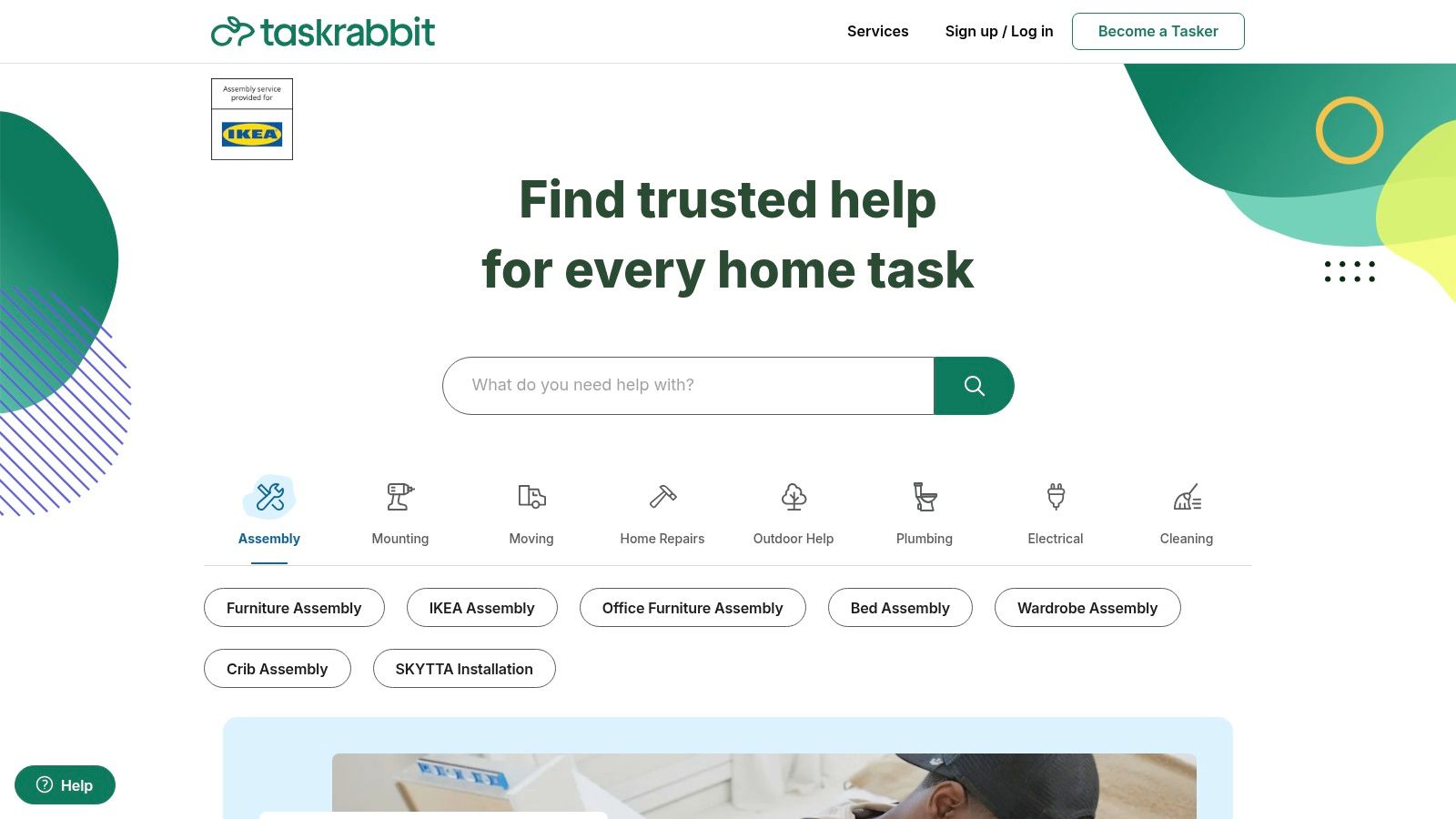
Taskrabbit UK works well if you're practical, reliable, and comfortable doing in-person jobs. Think furniture assembly, moving help, cleaning, errands, and general handyman work.
This isn't a phone-only side hustle. It's closer to self-employed local work managed through an app. That means the earning potential can be better than low-skill online tasks, but your time, travel, and physical effort go up too.
Taskrabbit is strongest in places where demand is dense. In busy cities, especially where IKEA-related assembly jobs are common, it can be a solid option. In smaller towns, it can feel patchy.
Where Taskrabbit works well
The best use case is simple. You already know how to assemble furniture, lift safely, do minor home tasks, or show up on time and follow instructions.
The app gives you control over your rates and availability, which is a major plus. But beginners often price badly. They either charge too little and burn out, or charge too much before they have enough reviews to justify it.
A better approach is to start with one or two task categories and build a clean profile around those. If you're curious about task-based earning beyond local jobs, this guide on getting paid to complete tasks in the UK is a useful complement.
Taskrabbit rewards reliability more than hustle language. Fast replies, accurate arrival times, and tidy work matter more than trying to sound impressive.
Real trade-offs
Taskrabbit is not ideal if you want instant money with no setup. You may face onboarding delays, competition, or low job flow depending on your area.
It's also less flexible than people assume. Yes, you set your schedule. But once clients book you, your reputation depends on showing up and doing the job properly.
Use it if you want skill-based local gigs. Skip it if you want low-effort earning from your sofa.
3. Deliveroo Riders
Deliveroo Riders UK is one of the most familiar names in app-based earning. If you want flexible delivery work in a city and already have a bike, scooter, or car, it's an accessible route into side income.
The good part is flexibility. You can usually go online when it suits you rather than lock yourself into a traditional side job pattern. The bad part is that flexibility doesn't guarantee good earnings every hour.
Delivery apps reward timing and geography. Busy lunch and evening periods matter. So does weather. So does how saturated your local area is with riders.
Best fit for urban riders
If you're in a dense city, Deliveroo can be useful for topping up income around another job or study schedule. Deliveroo also provides rider insurance cover while you're actively delivering in the UK, which is a practical plus for anyone comparing courier options.
Still, this work is more demanding than many beginners expect. You need the right equipment, a reliable phone, route discipline, and the patience to deal with quiet periods.
If you're trying to compare app-based delivery with easier online options, this article on ways to earn money online in the UK can help you decide whether you want physical gig work or digital tasks.
What doesn't work well
Deliveroo is a poor choice if you hate uncertainty. Demand shifts constantly, and your experience will depend heavily on where and when you work.
It also has admin realities. Vehicle requirements, insurance, and screening aren't optional. If you want to structure delivery income more professionally, some riders also explore using an umbrella company for courier drivers.
My verdict: good for people who value flexibility and don't mind physical work. Bad for anyone chasing easy, predictable earnings.
4. Just Eat Couriers
Just Eat Couriers sits in the same broad category as Deliveroo, but the feel can be different depending on your area. Some couriers prefer it because the structure can feel more organised. Others find registration and local availability more uneven.
The appeal is straightforward. It's a major UK food delivery network with broad recognition, clear onboarding guidance, and support resources that explain how to get started.
That clarity helps beginners. A lot of people quit before they begin because courier setup sounds more confusing than it is. Just Eat does a decent job of making the process legible.
When Just Eat makes sense
This app suits people who want delivery work but prefer a platform with strong brand familiarity and a fairly guided onboarding path. Depending on location, you may be able to work by bike, scooter, or car.
It also works well for people who like the idea of app-based work but don't want to market themselves to clients, like they would on a marketplace app. You follow the process, complete deliveries, and focus on consistency.
Main downside
The biggest issue is local variation. In one area, onboarding may feel smooth. In another, availability may be limited or delayed.
Some side hustle apps fail because the model is weak. Courier apps usually fail for beginners because the local market isn't right for them.
That doesn't mean Just Eat is bad. It means you should judge it by your postcode, not by national brand recognition alone.
My verdict: worth trying if you want food delivery work and your area has demand. Don't assume the logo guarantees steady earning.
5. Amazon Flex
Amazon Flex UK is better thought of as block-based parcel delivery than casual gig work. You use your own vehicle, accept delivery blocks in the app, and complete parcel routes.
That structure will appeal to some people immediately. If you prefer parcels to takeaway orders, fixed blocks can feel cleaner and easier to plan around than restaurant delivery apps.
It also suits people who want evening or weekend work and live near active Amazon delivery stations. The app model is simple enough. The challenge is access to good blocks and staying organised during routes.
Why some drivers prefer it
Parcel delivery is often more predictable than food delivery. You're not waiting around restaurants in the same way, and the pay structure is easier to understand because blocks are visible in advance.
That makes Amazon Flex useful for people who dislike the stop-start nature of meal delivery. If your schedule works with available blocks, it can be a practical add-on to a normal workweek.
Where beginners struggle
The work still has pressure points. Parking, route efficiency, traffic, and support issues can all affect your experience.
This is also not ideal if you want ultra-flexible earning in tiny time windows. Flex is better when you can commit to a full delivery block and treat it seriously.
My verdict: a solid option for drivers who want more structure than food apps provide. Less attractive if you want casual, low-commitment earning.
6. Prolific
How much is your spare half-hour worth in 2026?
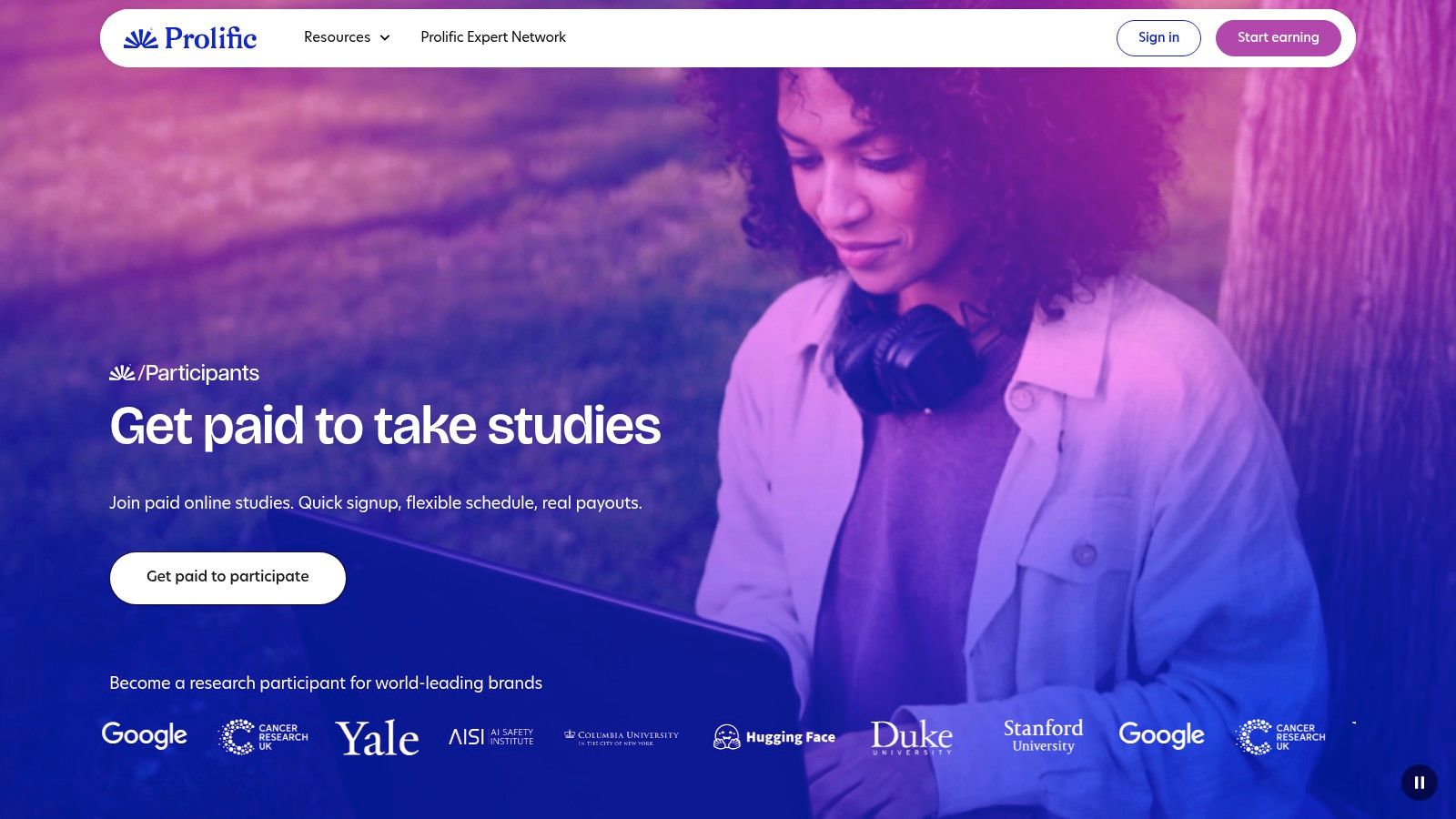
Prolific for Participants is one of the few UK-friendly study platforms that usually feels worth opening. You are not driving, packing orders, or listing second-hand items. You are trading attention, accuracy, and consistency for paid academic and commercial research.
That makes Prolific a strong fit for people who want low-friction, home-based earning. It is less useful for anyone who needs guaranteed daily income.
Where Prolific fits in a 2026 side hustle plan
Prolific sits firmly in the quick-cash category, not the scalable-income category. You can earn extra money from it, but you are unlikely to turn it into something that grows month after month in the way resale or local services can.
That distinction matters. A lot of beginners lump all side hustle apps together, then get frustrated when a research app does not behave like a business. Prolific works best as a filler app. It is good for spare gaps in the day, especially if you already spend time at a desk and can respond quickly when studies appear.
If you want similar low-effort options, this guide to survey apps that pay is a useful comparison point.
Why people rate it higher than typical survey apps
The main advantage is quality control. Studies are usually clearer, screeners tend to feel more legitimate, and the platform has a better reputation than many generic rewards sites.
That does not mean constant work.
Availability can be uneven, and the better-paid studies often disappear fast. Your experience will depend on your demographics, profile accuracy, and how often you check in. Beginners usually do best when they complete their profile properly, turn on notifications, and stop expecting every login to produce paid work immediately.
What UK users should know before signing up
You will need to complete onboarding steps and keep your details accurate. That is part of how the platform maintains study quality.
You also need to treat earnings like self-employed side income. If Prolific becomes more than occasional pocket money, keep records from the start and check the current UK tax rules that apply to side hustle income. It is much easier to track small payments monthly than to rebuild everything at year end.
My verdict: one of the better quick-cash apps in the UK for patient users who want calm, desk-based work. Good for topping up income. Poor choice if you need predictable hours or want something you can scale.
7. UserTesting
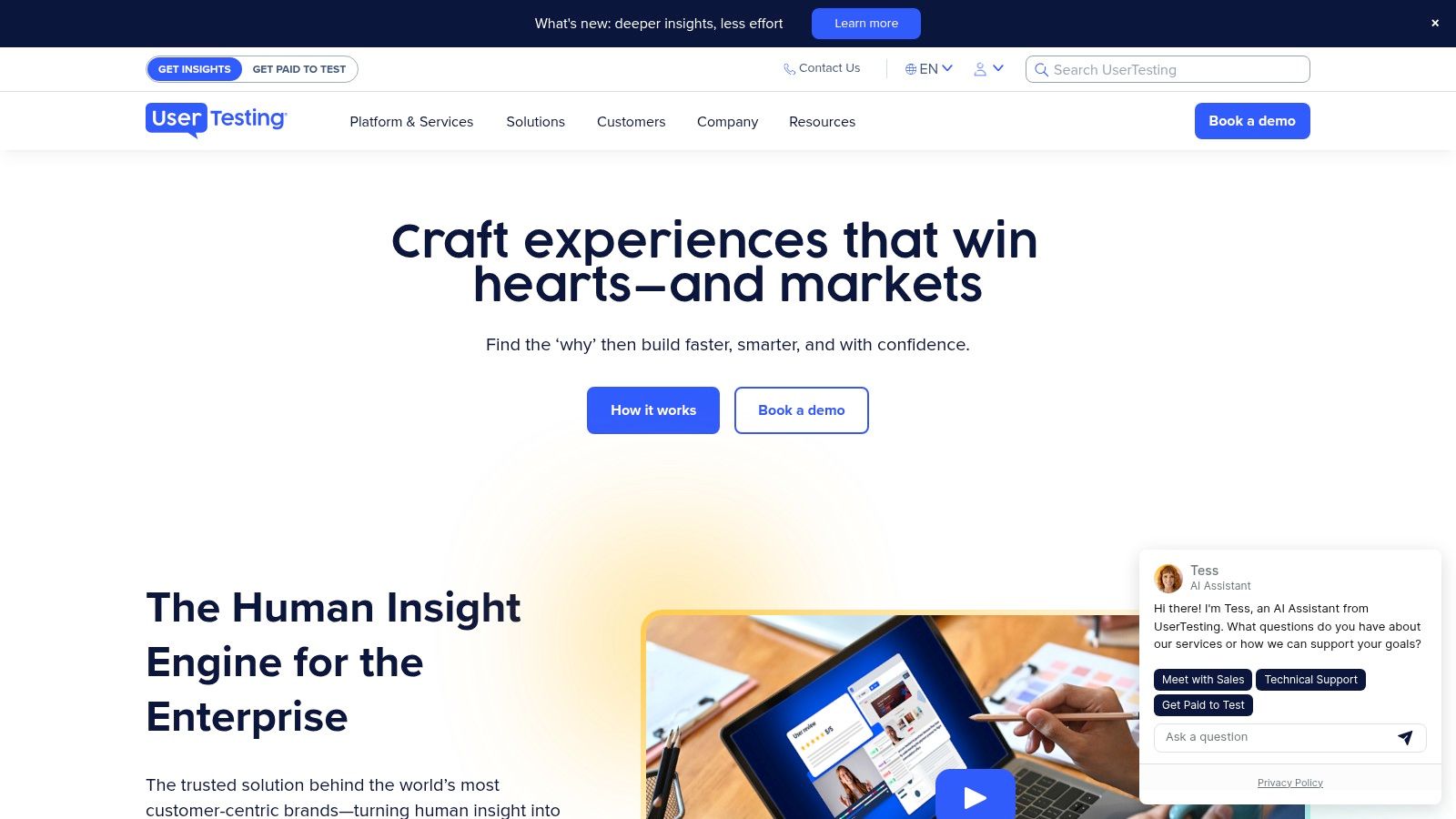
UserTesting pays contributors to test websites and apps and give spoken feedback. This is not the same as clicking through random surveys. You need to think clearly, speak clearly, and explain what you're doing as you use a product.
That makes it a strong option for articulate people and a poor one for anyone who wants to rush through tasks superficially. The platform usually expects thoughtful feedback, not just completion.
Where UserTesting beats generic surveys
A good UserTesting task can feel more worthwhile than a batch of low-value questionnaires. You're being paid for observation and communication, not just for ticking boxes.
It's especially suitable if you already notice confusing website flows, bad checkout design, or frustrating app experiences in daily life. Those instincts help.
Useful filter: If friends often ask you for tech help because you explain things clearly, you're more likely to do well on UserTesting.
The catch
The entry barrier is small, but it exists. You'll need a practice test, a quiet environment, and enough patience to deal with screeners and fluctuating availability.
This is also one of those side hustle apps where quality matters more than speed. Rushed, vague answers reduce your chances of getting more tests.
My verdict: excellent for thoughtful testers with decent spoken English and a calm setup. Not a great match if you're impatient or easily distracted.
8. Field Agent
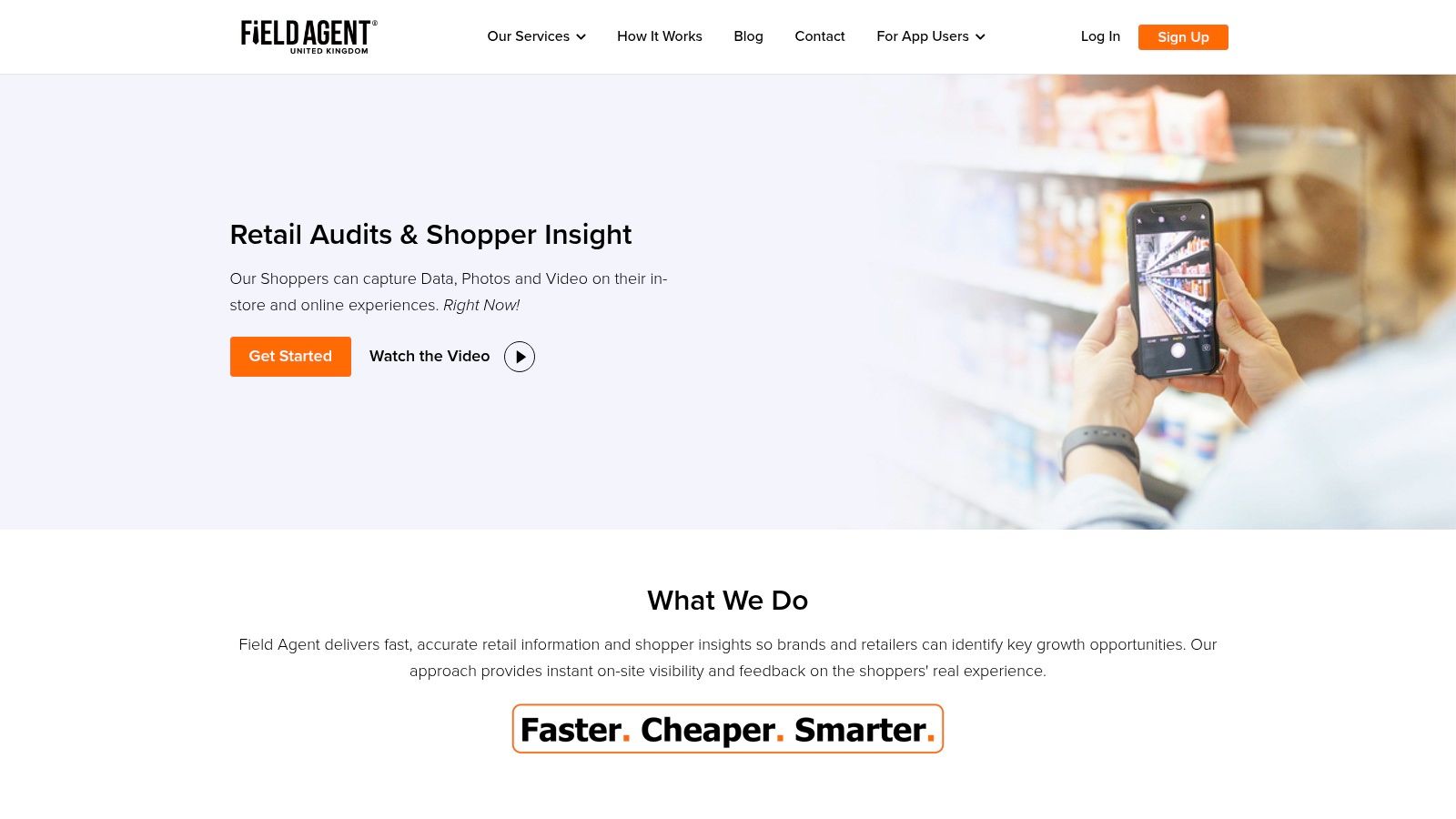
Field Agent UK pays users to complete in-store tasks like retail audits, photo checks, promotional checks, and short questionnaires. If you're already out shopping regularly, this can be a practical add-on.
The strongest use case is simple. You're near supermarkets, high streets, or retail parks anyway, and you don't mind following instructions carefully.
Field Agent usually gives clear briefs. That's important because store-based micro-tasks only work when you can complete them quickly and correctly.
Who should try it
This is a good fit for people who are observant, don't feel awkward taking product photos discreetly, and can follow exact instructions. It also suits anyone who likes short missions rather than open-ended client work.
The quality of your location matters a lot. In a busy area, you may see enough tasks to make it worthwhile. In a quieter region, it may feel too sparse.
Where people waste time
Travel is the hidden cost. A task may sound fine until you realise the trip there and back wipes out the benefit.
The fix is to batch errands. Check the map, stack nearby tasks when possible, and never assume every listed job is worth doing just because it's available.
My verdict: useful as a bolt-on side hustle for people already moving around town. Weak as a primary side hustle unless your local task flow is strong.
9. Roamler
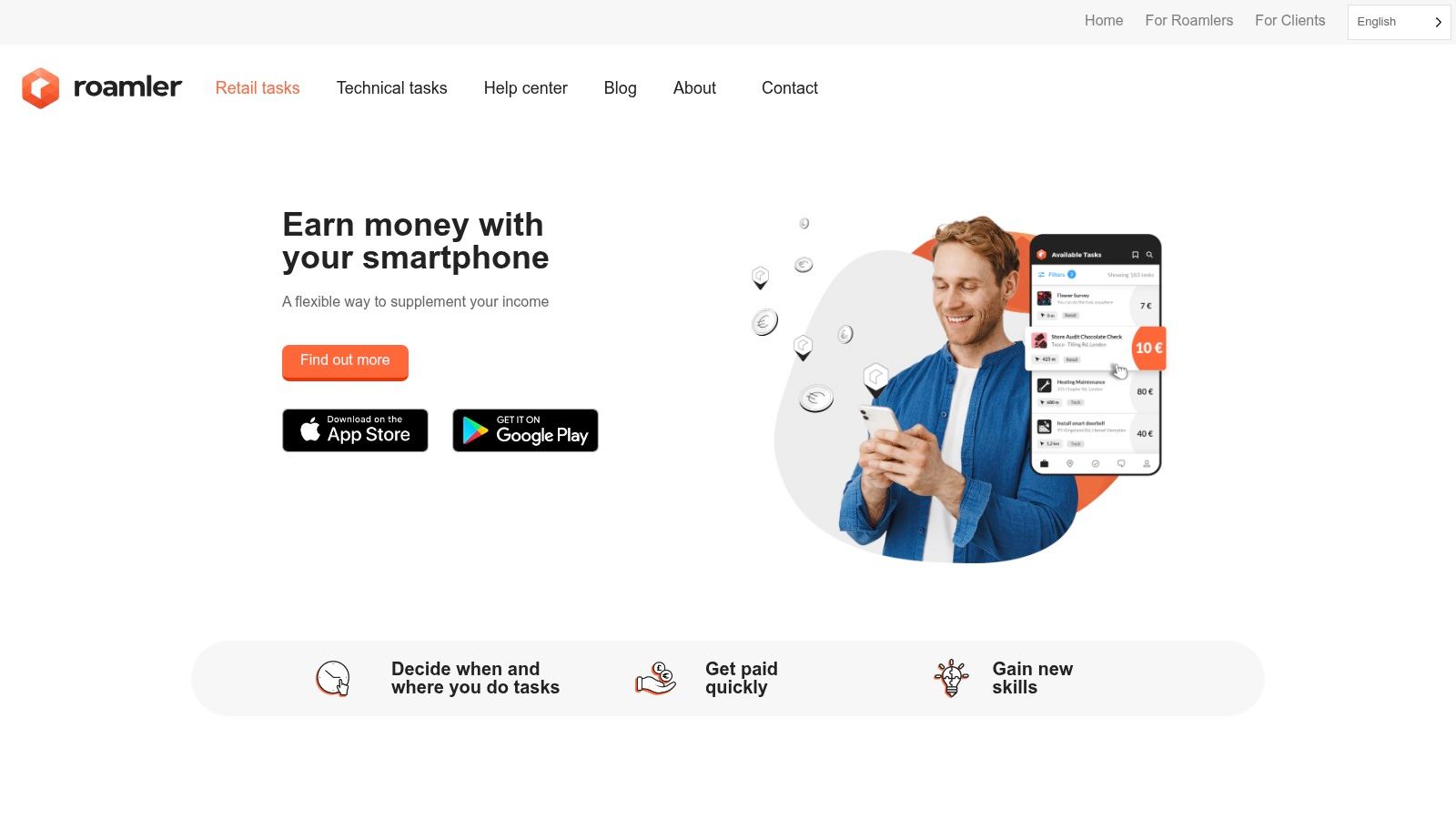
Roamler is another app built around local micro-tasks, audits, and mystery shopping. In practice, it often appeals to the same kind of person who might like Field Agent, but the task mix can feel broader depending on area.
You may see shelf checks, product placement work, store verification tasks, and occasional technical jobs. That variety is useful because it can stop the app from feeling repetitive.
Why Roamler can work well
Roamler is strongest when you treat it like route planning, not random earning. Nearby tasks done in sequence make more sense than taking one isolated job and travelling across town for it.
That practical mindset matters across the wider UK side hustle market. One sign of how mainstream app-based earning has become is that the UK app sector generated £4.8B in revenue in 2024, with Business of Apps figures cited in Gitnux's side hustle app analysis. More app activity creates more opportunity, but it also makes selectiveness more important.
Main limitation
Task volume isn't guaranteed. Some cities will feel active. Others will feel quiet.
That makes Roamler best as a supplementary app, not something to rely on in isolation unless you've already checked your local market and know it's active.
My verdict: worth adding if you like in-person micro-tasks and want another option beyond Field Agent. Not dependable enough on its own for everyone.
10. Vinted
What if the fastest side hustle is selling things you already own?
Vinted UK suits that goal better than task-based apps because you start with stock you already have. For beginners in the UK, that matters. You do not need to pass checks, wait for shifts, or learn a platform from scratch before your first pound comes in.
It works best for two groups. The first is anyone who wants quick cash from a wardrobe clear-out. The second is anyone testing whether resale could become a small income stream over time. Those are different goals, and Vinted serves each one differently. A one-off declutter is simple. Regular reselling takes better pricing, faster fulfilment, and more discipline with records.
Best use case for Vinted
Vinted rewards basic selling habits more than clever tactics. Clear photos in natural light, accurate sizing, honest condition notes, and quick postage do most of the work. If listings sit unsold, the problem is usually presentation or pricing.
That makes Vinted one of the more realistic starting points in the 2026 UK market. It is not highly scalable for everyone, but it is low risk and easy to test. If you want another beginner-friendly option that stays fully online, this guide to an easy side hustle online is a useful next read.
What to watch out for
Vinted is simple, but it is not passive.
You still need to answer buyer questions, package items properly, keep proof of postage, and handle the occasional dispute or return issue. Margins can also be thin if you move from decluttering into reselling. Cheap items sell quickly, but time spent sourcing, listing, packing, and posting can eat into the return.
UK tax is the other point beginners often miss. Selling your own unwanted clothes is usually very different from buying stock to resell for profit, and that distinction matters. If Vinted shifts from casual clear-out to regular trading, keep records from the start and check the UK government's guidance on the Trading Allowance.
My verdict: a strong pick for quick cash and one of the easiest side hustle apps UK 2026 readers can start with. Best for decluttering first. Worth scaling only if you enjoy the resale process and treat it like a small business, not spare change.
Side Hustle Apps UK 2026, Top 10 Comparison
Platform | Core offering | Target audience | Earnings & payouts | Key advantages | Limitations |
|---|---|---|---|---|---|
Klink Finance | Global rewards platform: app installs, games, surveys, social quests | Side‑hustlers, students, mobile gamers, app testers worldwide | Instant cash or crypto withdrawals; multi‑currency (USD, EUR, GBP, BTC, ETH, SOL); daily offers | Flexible payouts; real‑time tracking; promotions & leaderboards; large active community | Offer availability varies by region; crypto volatility & eligibility rules |
Taskrabbit | Local paid tasks: assembly, moving, handyman, cleaning | Skilled locals, handymen, gig workers in UK cities | You set rates; in‑app booking & payments; hourly or per job | Control over pricing & schedule; steady demand for home services; IKEA partnerships | Uneven demand outside major cities; onboarding pauses in some areas |
Deliveroo Riders | On‑demand food delivery via app | Riders with bike/scooter/car seeking flexible shifts | Per‑delivery pay + tips; app payouts; insured while delivering (UK) | High urban order density; tips available; rider support resources | Earnings vary by demand/weather; insurance & vehicle requirements |
Just Eat Couriers | Food delivery network with zone/block work | Couriers preferring scheduled blocks or zone‑based shifts | Per‑delivery/pay cycles via app; incentives & bonuses | Strong brand recognition; wide UK coverage; onboarding support | Onboarding times and availability vary by area |
Amazon Flex | Parcel delivery in fixed blocks | Drivers wanting predictable block‑based earnings | Transparent per‑block pay; choose blocks; app payouts | Predictable block pay; nationwide near delivery stations | Zone/block availability can fluctuate; occasional tech/support issues |
Prolific (Participants) | Paid online research studies (academic/commercial) | Students and remote desk earners | Study-based pay with fair minimum guidance; PayPal payouts | Ethical/fair pay standards; varied study topics; regular postings | Study supply varies; slots can fill quickly |
UserTesting | Remote UX tests: record website/app feedback | Articulate testers with mic and quiet workspace | Per‑test payments (usually higher than surveys); PayPal | Higher pay per test; work from global brands; clear contributor dashboard | Admissions/waitlists; test availability fluctuates |
Field Agent | Mystery shopping & retail audits (in‑store tasks) | People often in retail/high‑street areas | Microtask pay per job; quick approvals; PayPal | Frequent local microtasks; clear briefs & quick payouts | Location‑dependent tasks; travel reduces margins |
Roamler | Micro‑tasking & retail audits across UK/Europe | Field agents in urban/retail regions | Pay per task; automated invoicing; PayPal withdrawals | Batch tasks for efficiency; established European presence | Task volume varies by city; some quiet days |
Vinted | Resale marketplace for clothing & lifestyle items | Sellers, resellers, declutterers in the UK | Sale revenue minus fees; integrated shipping options | Large buyer audience; quick listing flow; low barrier to entry | Dispute resolution learning curve; seller handles postage/tracking |
Your Next Steps to Earning Extra Income
What should you do after reading a list of side hustle apps. Try all ten, or choose one that fits your week?
Start with fit. The right app depends less on hype and more on your time, energy, location, and tolerance for admin. A delivery app can beat survey-style earnings, but only if you have demand in your area, reliable transport, and the patience for slower shifts, bad weather, and waiting time. Desk-based apps are easier to slot around a job or studies, but the ceiling is usually lower and availability can be inconsistent.
That is the big decision in the UK market for 2026. Do you want quick cash with low commitment, or do you want something you can build into a steadier second income?
A simple way to decide is to sort the apps into two groups.
For low-friction, starter income, begin with options like Klink Finance, Prolific, UserTesting, Field Agent, Roamler, or Vinted. These are easier to test without changing your schedule too much. They suit beginners who want to learn how app-based earning works before taking on client work, delivery shifts, or more hands-on jobs.
For higher earning potential, look at Taskrabbit, Deliveroo, Just Eat, or Amazon Flex. These can produce stronger results, but they ask more from you. Travel, equipment, insurance, physical effort, customer ratings, and busy-hour dependence all affect what you keep.
Pick one main app and one backup. Then test them properly for two to four weeks.
Use a basic scorecard:
Time spent: Include waiting, travel, setup, and messaging
Money earned: Track what landed in your account
Stress level: Some work pays okay but drains your evenings
Repeatability: Ask whether you could still do this next month
Local demand: Delivery and retail-task apps are heavily postcode-dependent
This is important because beginners often judge an app too early. A good week can make a weak app look great. A slow week can make a useful app look dead. A short test period with simple notes gives you a much clearer answer.
A few habits save a lot of wasted effort. Read task instructions fully. Protect your ratings. Drop any app that needs constant checking but rarely produces paid work. If an app only works when everything lines up perfectly, it is probably not your best starting point.
Keep tax in mind from day one. If you earn money through side hustle apps in the UK, save records of dates, amounts, app names, and relevant expenses. The £1,000 trading allowance is the threshold many beginners hear about first, but it should not be treated as a reason to ignore record-keeping. Once income starts coming in from different apps, clean notes make tax returns and decision-making much easier.
My practical verdict is simple. Klink Finance is a reasonable first test if you want light, flexible online earning and very low setup friction. Prolific is one of the safer desk-based options if you want calmer, more predictable tasks. Vinted is a strong starting point if you already have items to sell. Taskrabbit, Deliveroo, Just Eat, and Amazon Flex can outperform the lighter apps, but only if you treat them like real work and watch your costs closely.
Start small. Keep records. Choose the apps that suit your actual life, not the ones that sound impressive on social media. That is the fastest way to find side hustle apps UK 2026 users can stick with.


High Quality Offers,
Real Payouts
Start Earning with Klink Now!







Share Article
Related Articles
Read more, Earn more